Purchasers

Chain of Custody Standard

From Mine to Market and Source to Store: Why IRMA’s Chain of Custody Standard Matters

Minerals power the modern world, from the batteries that drive electric vehicles to the metals in wind turbines, phones, and medical equipment. But as demand increases, so does the pressure to ensure these materials are sourced responsibly.

IRMA’s independent, community- and worker-centered mine-site audits address one part of this challenge: verifying responsible practices at the mine itself. Yet for many companies and consumers, a key question remains:

How do we know the minerals in a finished product actually came from an IRMA-assessed mine?

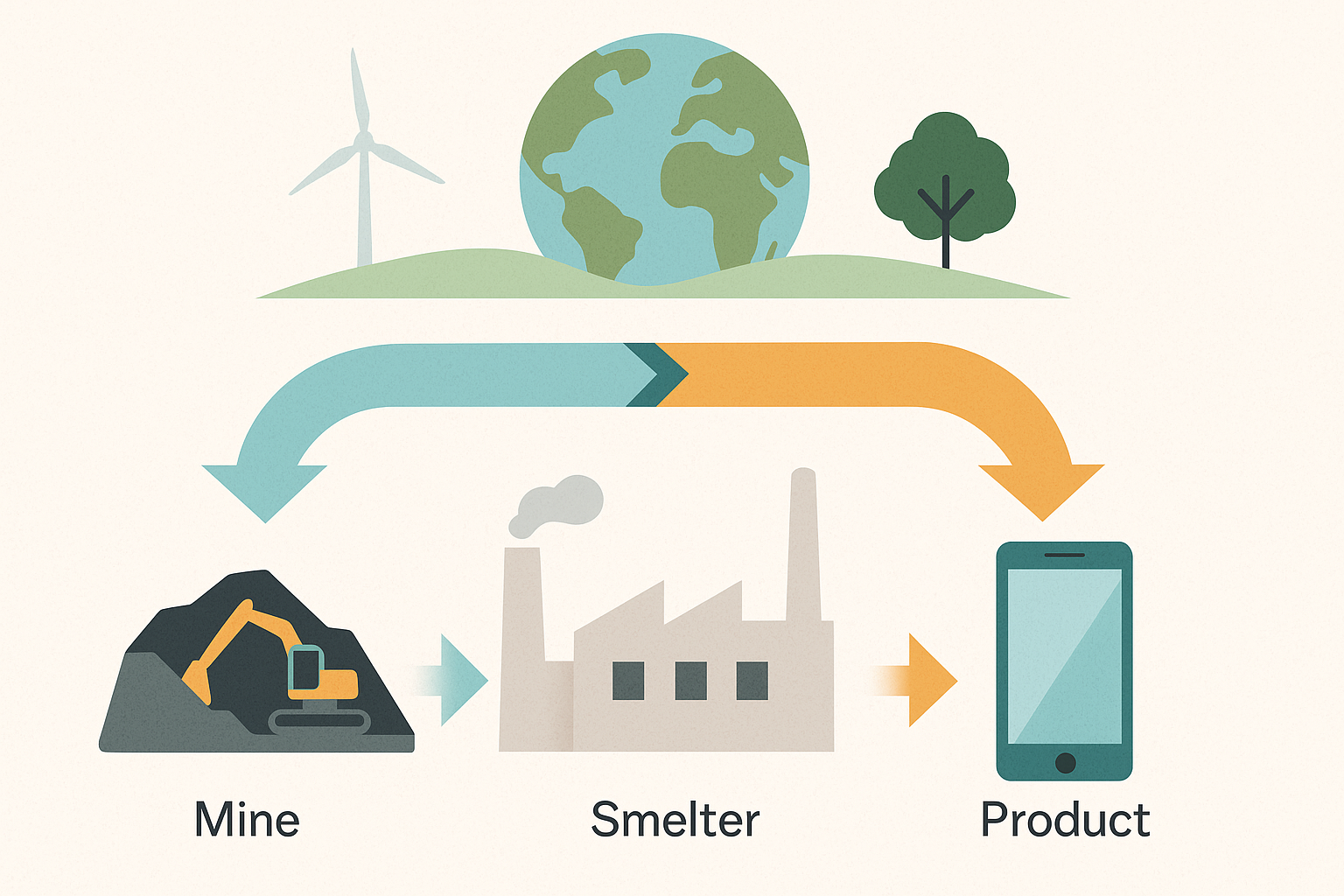
The answer lies in a chain of custody. IRMA’s Chain of Custody (CoC) Standard, launched in 2024, is designed to carry trust beyond the mine and into the complex networks of processors, refiners, manufacturers, and brands.

Why Chain of Custody Is Essential

Once minerals leave the mine, they often enter global systems where materials are blended, transformed, or routed through multiple facilities. A CoC standard closes this gap by enabling companies to make verifiable sourcing claims linked directly to IRMA-audited mines. As transparency becomes a regulatory expectation and a growing consumer demand, this link is more important than ever.

New EU rules, including the Critical Raw Materials Act and the 2025 mineral-supply-chain transparency platform, signal that traceability is rapidly shifting from a voluntary gesture to a regulatory requirement. Companies importing or using critical minerals will increasingly need credible systems to demonstrate where materials come from and how they manage associated risks.

Recent New York Times reporting also highlights the human cost of opaque supply chains, documenting how recycled battery lead has poisoned communities. It is a stark reminder that reliable chain-of-custody systems like IRMA’s are no longer optional but essential.

A Step Toward More Transparent Minerals

The IRMA CoC Standard outlines five models, a flexible structure that meets companies where they are while maintaining transparency and credibility:

Identity Preserved: Minerals stay physically separate and traceable from mine to final product.

Segregated: IRMA-assured materials from different mines can be mixed, but never combined with non-assured material.

Controlled Blending: Allows mixing with non-assured material while maintaining clear controls and limits.

Mass Balance: Tracks inputs and outputs over time, offering flexibility where physical separation is not possible.

Book & Claim: A credit-based model enabling support for responsible mining even when physical traceability is highly complex.

Together, these models give companies flexibility in how they track materials, and the pilots now underway are helping IRMA understand which approaches work best across different supply-chain contexts.

Next Steps for IRMA

IRMA has developed and published the Chain of Custody Standard, including guidance on assurance and on how the IRMA seal enables credible, transparent claims about responsibly sourced materials. Building on this foundation, IRMA has launched pilots across different mineral sectors and industries to test how the CoC models work in practice and what companies need for effective implementation. As these pilots progress, IRMA is now working to formalize the resulting data into a materials registry that will allow participating companies to make verified chain-of-custody claims with confidence.

Piloting the CoC Standard with mining companies, processors, and downstream buyers to test feasibility across different supply-chain contexts.

Integrating feedback from pilot participants, auditors, and technical experts to strengthen clarity and usability.

Creating tools and templates that support consistent data collection and transparent sourcing claims.

The chain of custody alone cannot solve every supply-chain challenge. But it plays a crucial role in linking responsible mining practices with the products people rely on every day. It supports stronger procurement decisions, clearer consumer communication, and more consistent accountability across the value chain. These efforts mark real progress toward knowing where your phone battery comes from—from mine to market, and source to store.

If your company would like to join the brands already piloting the IRMA CoC Standard and explore how it could work in your supply chain, I’d welcome a conversation! Feel free to reach out.


coc@responsiblemining.net

READ MORE
Credit: GeminiCredit: GeminiBlog

IRMA Buyers Group Statement

[this was also posted to IRMA’s LinkedIn]

IRMA Buyers StatementThe IRMA Initiative for Responsible Mining Assurance Purchasing Sector members and Processors Working Group participants have been a driving force behind the scaling of IRMA at mine sites worldwide. Over the initial years of IRMA’s audit system, much has been learned about how customer expectations and requirements around IRMA are effectively communicated to suppliers.

💡 While every customer formulates their own policies and expectations of their suppliers, one common understanding has become clear: regardless of any specific achievement level a mine might reach in its first audit, the transparency, opportunity for engagement, dialogue, and continuous improvement offered by the IRMA process is what carries the greatest value.

📈 Beyond the audit and its outcomes, purchasers see IRMA as more than just an audit framework. It is a roadmap for operational excellence, a platform for positive stakeholder engagement, and a pathway to generating trust — all in service of reducing long-term negative impacts and supply chain risks.

🤝 In this general statement shared by the IRMA Buyers Group, what purchasers are saying to mines in their upstream supply chains is this — simply embarking on an audit is the most important first step.

READ MORE
Credit: rawpixel.com Free CC0 imageCredit: rawpixel.com Free CC0 imageBlog

How IRMA Benefits Downstream Purchasers

A new resource for the downstream purchasing sector is now available on the IRMA website.

Downstream purchasers, as customers of mined materials, have a significant interest in how those materials are extracted and processed. Current and emerging regulations, as well as the expectations of consumers, investors, and affected stakeholders – as well as companies’ own business needs to address risk and build resilience – are driving companies to increase visibility over their supply chain and expect more responsible performance at every stage. By using IRMA, downstream purchasers can leverage a transparent and truthful story about the materials we rely on every day.

How IRMA Benefits Downstream Purchasers describes how IRMA provides a credible system for demonstrating that materials have been extracted to a widely accepted standard that meets a broad range of ESG metrics and safeguards, providing unprecedented visibility into individual mine performance. Included are IRMA’s benefits to purchasers and our value proposition.

READ MORE
COP28 logoCOP28 logoOther

IRMA Engagement in COP28 UAE

IRMA is participating in the United Nations Framework Convention on Climate Change 28th Conference of the Parties (COP28) in Dubai, UAE as an Observer and panelist in multiple events, represented by IRMA Law & Policy Director, Kristi Disney Bruckner.

Events include:

5 December 10:00–12:30 GST
Action Arena – Al Hur Room, Blue Zone
Marrakech Partnership for Global Climate Action Industry Action Event
Taking Stock of Climate Action on Industry and Energy: Accelerating Systems Transformations
Click here for livestream

This event, organized by the United Nations Climate Change High-Level Champions, Marrakech Partnership for Global Climate Action, and World Business Council on Sustainable Development (WBCSD) will focus on “the transformative levers within the energy and industry sectors, aligned with the Energy and Industry 2030 Breakthroughs and the Sharm el Sheik Adaptation Agenda of the Marrakesh Partnership. This event will provide a platform for stakeholders to collaborate, share insights, and create strategies to drive these essential changes, charting a course toward a more sustainable and equitable future for all.

IRMA will share a Call to Action, inviting State Owned Enterprises and others to engage in advancing responsible mining of transition minerals in Africa. Contact us at info@responsiblemining.net to inquire about IRMA engagement and available support.

5 December 15:00–16:00 GST
Al Shaheen Room, Blue Zone
Marrakech Partnership for Global Climate Action Implementation Lab
Enablers to Tripling Renewable Power Generation by 2030 Through a Just, Financed, and Equitable Transition
Click here for livestream

This event, organized by the African Export Import Bank, Global Renewables Alliance (GRA), IRMA, and Utilities for Net Zero Alliance, will launch a new report by GRA, the COP28 UAE Presidency, and the International Renewable Energy Agency (IRENA) detailing how to increase renewable energy capacity to 11,000 GW by 2030, including:

  • Infrastructure and operation;
  • Policy and regulation;
  • Supply chain, skills, and capacities;
  • Scaling-up finance; and
  • Enhancing international collaboration.

The event will highlight linkages between these key enablers and parallel efforts from IRMA and the Extractive Industries Transparency Initiative (EITI) regarding critical mineral supply chains, the African Export Import Bank regarding the scaling-up of finance, and the Utilities for Net Zero Alliance across all enablers.

5 December 16:15–17:45 GST
Science for Climate Action Pavilion, Blue Zone
Private Adaptation to Climate Change: The Case of the Mining Industry
Click here for livestream

This event, organized by the Intergovernmental Panel on Climate Change (IPCC), World Meteorological Organization (WMO), Philanthropy Cortés Solari through MERI Foundation, and l’Université Côte d’Azur, features examples of adaptation responses of companies in the mining sector, as well as the importance of cooperation between the public, private, and civil society sectors to ensure private sector adaptation efforts.

6 December 10:30–11:30 GST
Chez International Chamber of Commerce Pavilion, Blue Zone
Regional Approaches to Financing Just Transition
Click here for livestream

This event, organized by Ceres and Barclays, will “explore the regional aspects of a just transition and tailor financial strategies to diverse geographical needs. Global banks must account for local nuances to ensure an equitable shift towards a sustainable economy and this panel hopes to understand what dialogues banks should engage in with clients concerning regional just transition aspects, including the influence of local communities on banks and their portfolio companies, and evaluate the just transition metrics financial institutions can utilize to incorporate regional considerations into their clean energy transition product and service offerings.” RSVP to Ceres is encouraged here and anyone with a Blue Zone pass may attend.

Access COP28 UAE updates and get involved here.

READ MORE
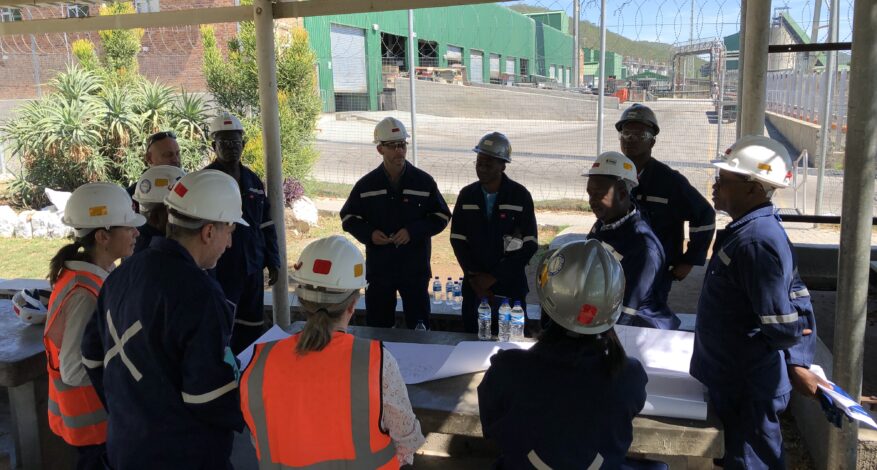
Unki on-site audit discussion. Credit: IRMAUnki on-site audit discussion. Credit: IRMAMining

IRMA: a deep dive session for mining companies

On Thursday, December 14th, IRMA is hosting a dedicated webinar for mining companies to learn more about the Initiative for Responsible Mining Assurance.

Given our service to multiple sectors, we’re aware investors and companies who purchase mined materials are increasingly asking for mines to be independently assessed in IRMA system. Just as we seek to provide value to these sectors, as well as civil society, communities and labor unions, we’re equally committed to serving the mining sector.

This will be an open and candid discussion between mining company representatives, purchasing companies engaged in IRMA, and the key IRMA Secretariat staff who are dedicated to serving the mining sector. In particular, we’ll highlight the tools and training we’re developing to help mining companies better understand the standard and our assessment process.

We’ll also address common questions, hesitations, doubts and even frustrations, all with the aim of ensuring IRMA is responsive and useful to the mining sector.

Our draft agenda is as follows:

  • An introduction to IRMA, including addressing some of the most common questions we receive from mining companies
  • Short presentations from representatives from purchasing and finance, sharing their motivations for participating
  • Insights from mining companies who have undertaken third-party assessments, sharing their experience and learnings
  • A Q&A session with attendees

Register here for the session, taking place from 10:30AM – 12PM Eastern on December 14th. In case you’re not able to make this date, please register in any case, as a recording will be shared.

READ MORE
Listening to CommunitiesListening to CommunitiesAudits

Audit Community Engagement Learnings

For companies that depend on mined materials to make their products, any assessment of supply chain impacts must include a focus on the point where minerals are extracted from the earth.

There are various tools companies can use to better understand impacts at the point of extraction, including assessment of a specific mine’s performance against an established standard for responsible mining. The value of such an assessment depends on the quality of the standard and on the rigor and independence of the actual audit process. Among the diverse ways auditors assess a mine’s environmental and social impacts, one of the most crucial is direct engagement of communities and Indigenous rights holders.

Community members should have the opportunity to ask questions, to express concerns or outright opposition, and to learn firsthand how a mining company intends to address their needs and share the long-term benefits. People everywhere want a say in decisions that will shape their lives and they rightly expect their voices to be heard.

Over the past several years, as we’ve overseen an increasing number of independent audits, we’ve been exploring various approaches to better include communities living near mines in the process. We’re doing a great deal of testing and learning along the way, making small refinements and a few major course corrections, guided by insights from the six diverse constituencies who govern our initiative.

Supporting us in this effort is Mercedes-Benz Group AG, an IRMA member since 2020.

In 2022, Mercedes-Benz provided funding for IRMA to enhance and further explore how best to engage with mining communities. By implementing new practices and experimenting with alternative approaches to the auditing process, we’ve found ways to improve the community engagement already built into IRMA’s audit process.

The result of our collaboration is this report. It will guide our own practices as we continue to improve and, we hope, illustrate to all purchasers of mined materials — as well as mining companies, investors, regulators, other standards systems, NGOs and, of course, affected communities — how assessments in the industry might be strengthened, ultimately accelerating our common aim: to protect human rights and make mining more responsible.

READ MORE
Blog

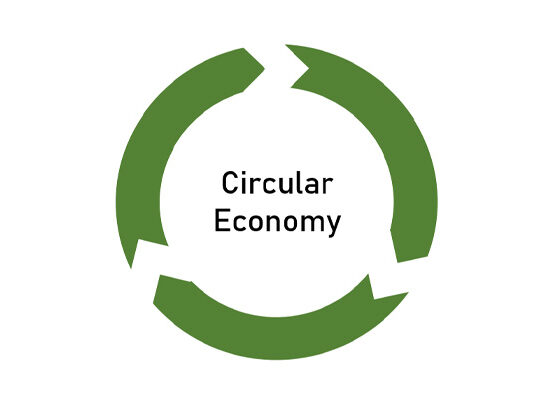
IRMA’s Work to Advance Circular Economy Approaches

IRMA is working across sectors and initiatives to clarify and advance circular economy approaches to responsible production and use of minerals. Circular economy approaches utilize integrated strategies to address a range of climate, environmental, and social issues associated with primary and secondary materials, reducing waste while capturing greater value from materials and processes throughout the life cycle of the mineral.

Circular economy approaches involve a systems approach throughout the materials life cycle, including:

  • designing products and services for material recovery and reuse;
  • establishing better technology, infrastructure, and policies for the extraction of metals and minerals including from consumer products and existing mine waste; and
  • adopting regenerative approaches to ecosystem impacts.

Demands for minerals associated with the energy transition will require expansion of both primary and secondary production of mined materials for decades to come. At the same time, expectations are increasing throughout supply chains regarding low carbon production methods, broader responsible sourcing requirements, and integration of circular economy strategies ranging from production and sourcing of durable goods, enhancing material reuse and recycling, integrating responsibly sourced recycled and scrap material at the mineral processing level, and beyond.

IRMA formed an Expert Working Group on Mining and Circularity in 2022 to inform integration of circular economy approaches into the IRMA Standard for Responsible Mining and IRMA system. We will continue to work to clarify, incorporate, and encourage best practice circular economy approaches throughout all stages of extraction, processing, reuse, and recycling of minerals.

Over the past year, IRMA served as a member of the Expert Working Group on the OECD Handbook on Environmental Due Diligence in Mineral Supply Chains, published in September 2023 and including coverage of circularity and enhanced use of secondary sources.

This year IRMA became a member of the Roundtable on the Responsible Recycling of Metals (RRRM) Non-Ferrous Working Group, collaborating in RRRM efforts to advance understanding of appropriate standards, systems, and tools for the responsible production and sourcing of recycled metals.

IRMA will participate in the United Nations Framework Convention on Climate Change 28th Conference of the Parties (COP 28) this year in Dubai, engaging in roundtables and events focused on improving environmental and social responsibility in mineral supply chains for the energy transition and opportunities to advance circularity.

If you have recommendations for ways IRMA can advance circular economy approaches or wish to share case studies of successful strategies, please contact us at info@responsiblemining.net.

READ MORE
NGOs and CommunitiesNGOs and CommunitiesSectors

Happy New Year

New Year, New Board Members

As we welcome the new year, we are thrilled to welcome three new board members:

Community Sector: Pavel Sulyandziga, Russia

new IRMA board member for the community sector: Pavel Sulyandziga
Pavel Sulyandziga

Pavel is an Indigenous leader and human rights activist from the Bikin River valley in Siberia. He is dedicated to protecting indigenous communities, whose rights are often violated by business. Pavel has a PhD in Economics and is President of the International Indigenous Fund for Development and Solidarity “Batani” (Batani Foundation). He’s currently a Visiting Scholar at Dartmouth College (US) and at Law School University of Maine and was a member of the United Nations Permanent Forum on Indigenous Issues (2005 – 2010) and Member of the United Nations Working Group on Business and Human Rights (2011 -2018). He joins Meshack Mbangula of Mining Affected Communities United in Action (MACUA) in representing the Community Sector.

Labor Sector: Meg Gingrich, Canada

USW CA logoMeg Gingrich is Assistant to the National Director of United Steelworkers (USW) Canada. For ten years she’s been on staff at USW Canada’s National Office, first as a researcher and now as the Assistant to the National Director. In that position she’s the senior administrative and policy advisor to the USW in Canada, with lead responsibility on issues relating to trade, industrial policy, and strategic planning. She’s also the central liaison on these issues with the leadership of USW United States. Meg is also the President of Blue Green Canada, which was co-founded in 2008 along with Environmental Defence as a joint labour-environment-community coalition. She joins Glen Mpufane of IndustriALL Global Union in representing the Labor Sector.

Purchaser Sector: Claudia Becker, Germany

new IRMA board member for the purchaser sector: Claudia Becker
Claudia Becker

Claudia is BMW Group’s Expert on Raw Material Strategy and Sustainable Supply Chain Management. Claudia has been working for the BMW Group since 2012 in operational and strategic purchasing functions. In 2016 she joined BMW’s responsible sourcing team with a focus on due diligence in mineral supply chains. Claudia works closely with supply chain partners and represents BMW in various international and cross-industry initiatives, such as Drive Sustainability, RMI and the GBA. Before joining the BMW Group, Claudia worked in the sector of international development cooperation including for the Deutsche Gesellschaft für Internationale Zusammenarbeit (GIZ) in Cambodia on sustainable urban development. Claudia has an academic background in Geography from the University of Bonn with a focus on development cooperation, sustainability, and urbanism. Claudia joins J.J. Messner de Latour of Microsoft in representing the Purchasing Sector.

As we welcome Claudia, Meg, and Pavel to the IRMA board, we reflect with appreciation on the invaluable contributions of those who have served IRMA’s governance since its founding: Dewa Mavhinga, Mike Kowalski, Anisa Kamadoli Costa, Samara Rudolph, Joan Krajewski, Ephi Banaynal dela Cruz, Susan Posnock, Joe Drexler, Mark Rowlinson, Alan Knight, Nuskmata, Larson Bill, Loretta Williams, and many more to whom we owe deep appreciation for their work.

New Year, Same Unique Governance Model

While there are other multi-stakeholder, extraction-related and metals-related standards, IRMA’s governance model is unique: equal governing authority shared between six sectors with an interest in mining. For any board vote, if the two representatives from any given sector oppose a motion, the vote fails even if all other board members are in support. To our knowledge, the IRMA board is the only place in the world where communities, labor, and civil society have an equal voice alongside mining companies and other multinational corporations.

Looking Forward

2023 will be an important year in advancing IRMA’s vision: a world where the mining industry respects the human rights and aspirations of affected communities, provides safe, healthy and supportive workplaces, minimizes harm to the environment, and leaves positive legacies.

Our work to create financial value for mines independently assessed against the world’s most robust mining standard will take a major leap forward. Audit reports for at least ten mine sites will be released in 2023, including the first lithium mines assessed in IRMA. 2023 will also see the IRMA Standard expand to include exploration and development, before mines are operating, and also mineral processing operations, as well as updating the current Standard for active mining operations.

We do this work to integrate learning from the first mine audits, and to create value for an evolving definition of “best practices”, shared across stakeholder sectors, for environmental and social responsibility. As with all of IRMA’s work, this is only possible through the engagement of all affected stakeholders and we welcome your engagement.

READ MORE
Purchasers

The EV revolution will take batteries, but are they ethical?

Up-and-coming IRMA positions itself as the most rigorous third-party mining standard to emerge. . . Microsoft, Tiffany and Anglo American are already IRMA members; BMW is the first carmaker to sign up.

Adria Vasil, Corporate Knights


“. . .The EV revolution has been racking up a whole supply chain of trouble around the globe (including a recent lawsuit) related to an onslaught of often-contentious new mines opening to meet surging battery-metal demand, not to mention the coming tide of e-waste from old batteries.

If we want to fix this before e-cars take over the roads (30% of car sales should be electric across the EU and North America by 2030, analysts forecast), the time to ensure it’s done right is now. A handful of companies are trying to get out ahead of looming environmental and social risks. . .”


Read the full Corporate Knights article >

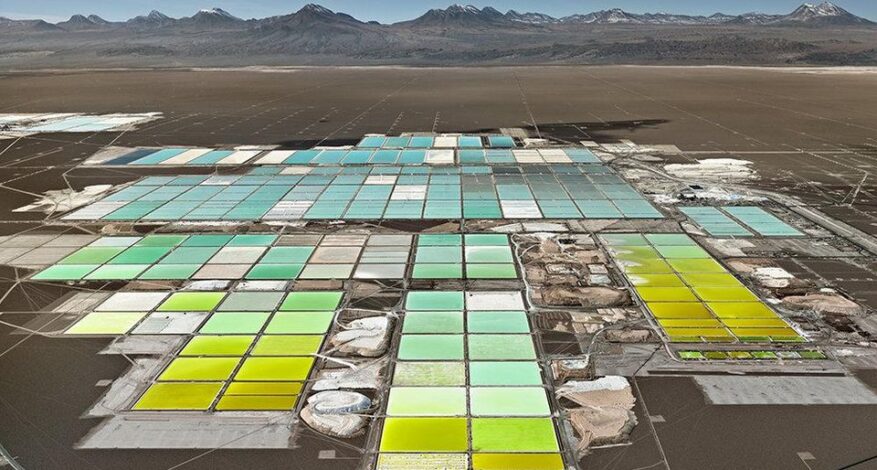
Photo credit: Lithium mines in Chile, Open Commons.

READ MORE
Purchasers

BMW Group joins the Initiative for Responsible Mining Assurance

BMW Group has become the first carmaker to join the global effort for the third-party certification of social and environmental performance at mine sites.


“Sustainability is an important aspect of our corporate strategy and we are fully aware of our responsibility in mineral value chains.” said Dr. Andreas Wendt, member of the board of management of BMW AG responsible for Purchasing and Supplier Network. “For the BMW Group and its stakeholders, it is of the utmost importance that environmental and social standards are adhered to throughout the entire value chain. Raw materials form the basis for every industrial production process and our need will continue to grow accordingly,” underlined Wendt. “We believe that IRMA, with its ambitious certification standard, will contribute to enhancing responsibility in global value chains and improving environmental and social performance.”

. . . “The auto sector is a powerful purchaser of materials that come from mines. We are happy to have the BMW Group join IRMA and we look forward to supporting their commitment to increasing environmental and social responsibility in their supply chains,” said Aimee Boulanger, Executive Director of IRMA.

Read the full article on miningglobal.com >

Photo credit: Andreas Riedelmeier from Pixabay.

READ MORE
  • 1
  • 2