Sectors

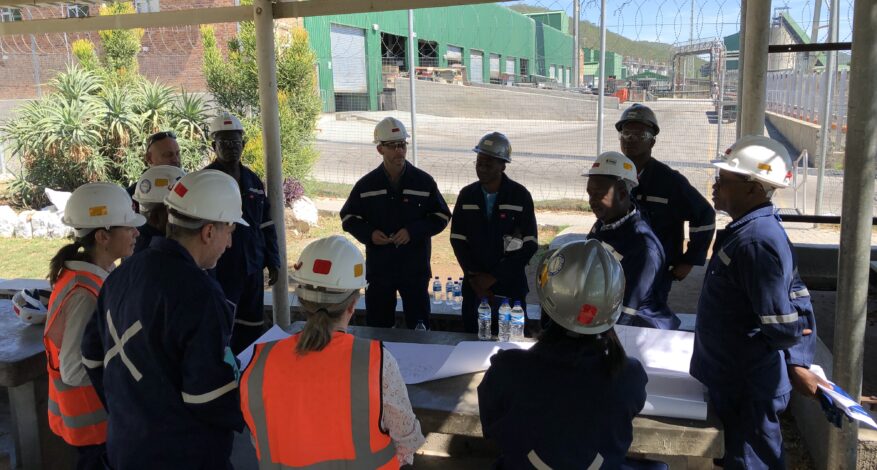
Unki on-site audit discussion. Credit: IRMAUnki on-site audit discussion. Credit: IRMAMining

Watch: Webinar of the IRMA Deep Dive for Mining Companies

Thursday, December 14th, IRMA hosted a dedicated webinar for mining companies to learn more about the Initiative for Responsible Mining Assurance. It was simultaneously interpreted in Spanish, Russian, Portuguese, Indonesian, French, and Chinese.

Given our service to multiple sectors, we’re aware investors and companies who purchase mined materials are increasingly asking for mines to be independently assessed in IRMA system. Just as we seek to provide value to these sectors, as well as civil society, communities and labor unions, we’re equally committed to serving the mining sector.

The webinar was an open and candid discussion between representatives of mining companies that have been IRMA-audited, purchasing companies engaged in IRMA, and the key IRMA Secretariat staff who are dedicated to serving the mining sector. It highlighted the tools and training we’re developing to help mining companies better understand the standard and our assessment process. It also addressed common questions, hesitations, doubts and even frustrations, all with the aim of ensuring IRMA is responsive and useful to the mining sector.

The slides (English-only) are here. The webinars are available on our youtube channel and embedded below in Spanish, Russian, Portuguese, Indonesian, French, English and Chinese.

Spanish

Russian

Portuguese

Indonesian

French

English

Chinese

NOTE: At one point both interpreters talk simultaneously for a few minutes.

READ MORE

IRMA Mining Engagement Update – Dec 2023

As of Dec 2023, 80 mining companies are now engaged in IRMA representing 101 sites:

59 sites are self-assessing under the IRMA Standard (38 have made this public), the first step before an independent audit;

24 are piloting the draft IRMA exploration (IRMA Ready) or mineral processing standard self-assessments

18 are in the independent assessment system: 14 audits are underway (USA, South Africa, Senegal, Mozambique, Brazil, Chile, Argentina) and 4 completed audits have been published (Zimbabwe, Mexico, Chile)

They encompass 30 countries.

Details and maps of the mining sector’s engagement with IRMA are available here.


READ MORE
COP28 logoCOP28 logoOther

IRMA Engagement in COP28 UAE

IRMA is participating in the United Nations Framework Convention on Climate Change 28th Conference of the Parties (COP28) in Dubai, UAE as an Observer and panelist in multiple events, represented by IRMA Law & Policy Director, Kristi Disney Bruckner.

Events include:

5 December 10:00–12:30 GST
Action Arena – Al Hur Room, Blue Zone
Marrakech Partnership for Global Climate Action Industry Action Event
Taking Stock of Climate Action on Industry and Energy: Accelerating Systems Transformations
Click here for livestream

This event, organized by the United Nations Climate Change High-Level Champions, Marrakech Partnership for Global Climate Action, and World Business Council on Sustainable Development (WBCSD) will focus on “the transformative levers within the energy and industry sectors, aligned with the Energy and Industry 2030 Breakthroughs and the Sharm el Sheik Adaptation Agenda of the Marrakesh Partnership. This event will provide a platform for stakeholders to collaborate, share insights, and create strategies to drive these essential changes, charting a course toward a more sustainable and equitable future for all.

IRMA will share a Call to Action, inviting State Owned Enterprises and others to engage in advancing responsible mining of transition minerals in Africa. Contact us at info@responsiblemining.net to inquire about IRMA engagement and available support.

5 December 15:00–16:00 GST
Al Shaheen Room, Blue Zone
Marrakech Partnership for Global Climate Action Implementation Lab
Enablers to Tripling Renewable Power Generation by 2030 Through a Just, Financed, and Equitable Transition
Click here for livestream

This event, organized by the African Export Import Bank, Global Renewables Alliance (GRA), IRMA, and Utilities for Net Zero Alliance, will launch a new report by GRA, the COP28 UAE Presidency, and the International Renewable Energy Agency (IRENA) detailing how to increase renewable energy capacity to 11,000 GW by 2030, including:

  • Infrastructure and operation;
  • Policy and regulation;
  • Supply chain, skills, and capacities;
  • Scaling-up finance; and
  • Enhancing international collaboration.

The event will highlight linkages between these key enablers and parallel efforts from IRMA and the Extractive Industries Transparency Initiative (EITI) regarding critical mineral supply chains, the African Export Import Bank regarding the scaling-up of finance, and the Utilities for Net Zero Alliance across all enablers.

5 December 16:15–17:45 GST
Science for Climate Action Pavilion, Blue Zone
Private Adaptation to Climate Change: The Case of the Mining Industry
Click here for livestream

This event, organized by the Intergovernmental Panel on Climate Change (IPCC), World Meteorological Organization (WMO), Philanthropy Cortés Solari through MERI Foundation, and l’Université Côte d’Azur, features examples of adaptation responses of companies in the mining sector, as well as the importance of cooperation between the public, private, and civil society sectors to ensure private sector adaptation efforts.

6 December 10:30–11:30 GST
Chez International Chamber of Commerce Pavilion, Blue Zone
Regional Approaches to Financing Just Transition
Click here for livestream

This event, organized by Ceres and Barclays, will “explore the regional aspects of a just transition and tailor financial strategies to diverse geographical needs. Global banks must account for local nuances to ensure an equitable shift towards a sustainable economy and this panel hopes to understand what dialogues banks should engage in with clients concerning regional just transition aspects, including the influence of local communities on banks and their portfolio companies, and evaluate the just transition metrics financial institutions can utilize to incorporate regional considerations into their clean energy transition product and service offerings.” RSVP to Ceres is encouraged here and anyone with a Blue Zone pass may attend.

Access COP28 UAE updates and get involved here.

READ MORE
Unki on-site audit discussion. Credit: IRMAUnki on-site audit discussion. Credit: IRMAMining

IRMA: a deep dive session for mining companies

On Thursday, December 14th, IRMA is hosting a dedicated webinar for mining companies to learn more about the Initiative for Responsible Mining Assurance.

Given our service to multiple sectors, we’re aware investors and companies who purchase mined materials are increasingly asking for mines to be independently assessed in IRMA system. Just as we seek to provide value to these sectors, as well as civil society, communities and labor unions, we’re equally committed to serving the mining sector.

This will be an open and candid discussion between mining company representatives, purchasing companies engaged in IRMA, and the key IRMA Secretariat staff who are dedicated to serving the mining sector. In particular, we’ll highlight the tools and training we’re developing to help mining companies better understand the standard and our assessment process.

We’ll also address common questions, hesitations, doubts and even frustrations, all with the aim of ensuring IRMA is responsive and useful to the mining sector.

Our draft agenda is as follows:

  • An introduction to IRMA, including addressing some of the most common questions we receive from mining companies
  • Short presentations from representatives from purchasing and finance, sharing their motivations for participating
  • Insights from mining companies who have undertaken third-party assessments, sharing their experience and learnings
  • A Q&A session with attendees

Register here for the session, taking place from 10:30AM – 12PM Eastern on December 14th. In case you’re not able to make this date, please register in any case, as a recording will be shared.

READ MORE
Listening to CommunitiesListening to CommunitiesAudits

Audit Community Engagement Learnings

For companies that depend on mined materials to make their products, any assessment of supply chain impacts must include a focus on the point where minerals are extracted from the earth.

There are various tools companies can use to better understand impacts at the point of extraction, including assessment of a specific mine’s performance against an established standard for responsible mining. The value of such an assessment depends on the quality of the standard and on the rigor and independence of the actual audit process. Among the diverse ways auditors assess a mine’s environmental and social impacts, one of the most crucial is direct engagement of communities and Indigenous rights holders.

Community members should have the opportunity to ask questions, to express concerns or outright opposition, and to learn firsthand how a mining company intends to address their needs and share the long-term benefits. People everywhere want a say in decisions that will shape their lives and they rightly expect their voices to be heard.

Over the past several years, as we’ve overseen an increasing number of independent audits, we’ve been exploring various approaches to better include communities living near mines in the process. We’re doing a great deal of testing and learning along the way, making small refinements and a few major course corrections, guided by insights from the six diverse constituencies who govern our initiative.

Supporting us in this effort is Mercedes-Benz Group AG, an IRMA member since 2020.

In 2022, Mercedes-Benz provided funding for IRMA to enhance and further explore how best to engage with mining communities. By implementing new practices and experimenting with alternative approaches to the auditing process, we’ve found ways to improve the community engagement already built into IRMA’s audit process.

The result of our collaboration is this report. It will guide our own practices as we continue to improve and, we hope, illustrate to all purchasers of mined materials — as well as mining companies, investors, regulators, other standards systems, NGOs and, of course, affected communities — how assessments in the industry might be strengthened, ultimately accelerating our common aim: to protect human rights and make mining more responsible.

READ MORE
Sibanye-Stillwater logoSibanye-Stillwater logoAudits

Sibanye-Stillwater commits two operations to IRMA audit

The Initiative for Responsible Mining Assurance (IRMA) is pleased to announce that Sibanye-Stillwater has committed to third-party independent assessments of two of its platinum group metals (PGM) operations against the IRMA Standard for Responsible Mining: the Sibanye-Stillwater SA PGM Rustenburg Operations and the US (PGM) Operations. SA PGM Rustenburg Operations is located in the North West Province of South Africa and the US PGM Operations in the state of Montana.

ERM-CVS, an IRMA-approved independent audit firm, will be carrying out the assessment, which includes a desk review (stage 1) followed by an onsite audit (stage 2). After the ERM-CVS draft audit report is reviewed by IRMA and Sibanye-Stillwater, the company may release the report or has the option to take up to twelve months to implement corrective actions and be re-assessed before a final report is published and a Performance Level assigned.

Stakeholder Engagement in the Assessment

Interested stakeholders and members of the public can sign up to receive updates about the Sibanye-Stillwater independent assessments (e.g., the timing of the stage 2 onsite visit, link to public summary of audit results). The Mines Under Assessment page of IRMA’s website will also provide up-to-date information on all assessments.

Members of the community, public officials, representatives of the workforce, or other organizations are invited to submit comments regarding how the mine site is managing their impacts to the environment including air, water, waste, greenhouse gases, and ecosystems; how the mine supports their workforce; and how the mine interacts with the surrounding community, and how it impacts the community, positively or negatively.

Interested parties may contact the independent audit firm, ERM-CVS, to share comments or to ask to be interviewed as part of the audit process. The audit firm can be reached by email at:

ERM Certification and Verification Services Limited
Email: post@ermcvs.com

Please share this announcement, and feel free to contact ERM-CVS directly to provide names and contact information for other Sibanye-Stillwater stakeholders who may be interested in knowing about and participating in the mine site assessment process.

For more information

READ MORE
Labor

IRMA Secretariat statement re Kostenko tragedy

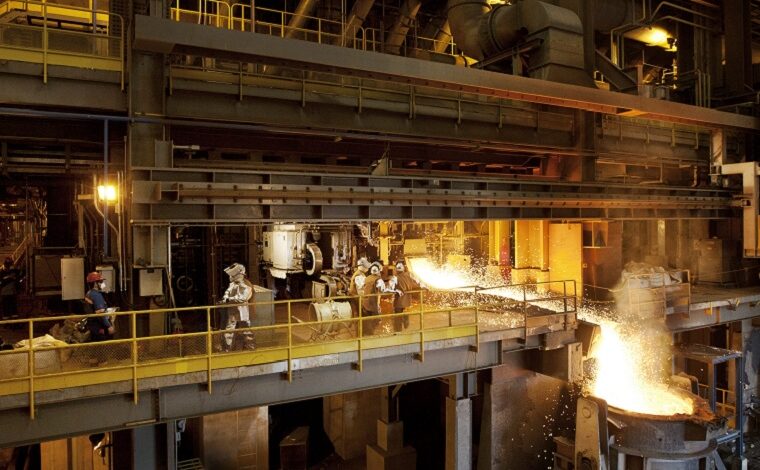
Statement of Aimee Boulanger, Executive Director of the Initiative for Responsible Mining Assurance (IRMA), regarding the tragic loss of life of 46 mine workers at ArcelorMittal’s Kostenko mine in Kazakhstan on Saturday, 28 October 2023.

ArcelorMittal has served on IRMA’s Board of Directors since 2015.

The heartbreaking disaster at ArcelorMittal’s Kostenko mine weighs heavily on me, our staff, and IRMA board members. IRMA’s vision is a world where the mining industry respects the human rights and aspirations of affected communities; provides safe, healthy and supportive workplaces; minimizes harm to the environment; and leaves positive legacies. Devastating loss of life, such as has occurred in Kazakhstan, brings into sharp focus the urgency of bringing this vision into reality. At too many mine sites around the world, workers labor under unsafe conditions—and this urgently needs to change. IRMA exists to help create this change.

In coming weeks, IRMA’s labor sector leaders will meet with ArcelorMittal representatives. IRMA, as an organization, won’t take a further stance on this issue until informed by the outcomes of conversations between IndustriALL, USW and ArcelorMittal, as these are the organizations best set to make a recommendation to the IRMA Board of Directors.

IRMA is a system seeking to drive more responsible mining practices around the world, responsive to the values of six governing houses, including labor unions, mining companies, NGOs, affected communities, investors and companies who purchase mined materials. These six houses equally govern IRMA’s multistakeholder system.

We extend our deepest sympathies to the families and loved ones of those whose lives were lost at this ArcelorMittal mine site. May our work together prevent future losses of life and ensure greater welfare for people and the lands they rely on.

READ MORE
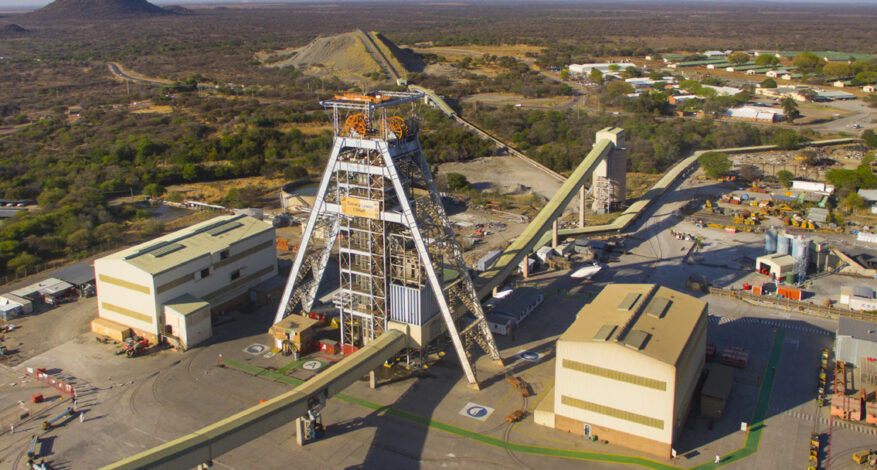
Anglo American MogalakwenaAnglo American MogalakwenaAudits

Mogalakwena Mine Assessment and Onsite Audit

Note: This ERM-CVS announcement was originally posted on their website in English and Sepedi.

ERM CVS announces an independent, third-party assessment of ’s Mogalakwena Platinum Ore Mine in the Limpopo Province, South Africa. The assessment will measure the Mine against the Initiative for Responsible Mining Assurance (IRMA) Standard for Responsible Mining.

ERM CVS, an IRMA-approved certification body, will carry out an on-site assessment from:

28 November – 5 December 2023

All stakeholders (community members, workers, and other affected or interested parties) are invited to submit written comments to ERM CVS about the environmental and social performance of the Mogalakwena Mine. Comments should particularly focus on how Mogalakwena Mine’s performance compares with the IRMA Standard for Responsible Mining. Stakeholders may also contact ERM CVS if they would like to be interviewed as part of the assessment process. When possible, interviews with local stakeholders will be scheduled to take place during the on-site assessment period and this may be via telephone, video-conference, or in-person.

Please register as a stakeholder to receive more information about the Mogalakwena Mine IRMA assessment as it becomes available. To register, submit questions or comments, or request to be interviewed as part of the assessment process, please contact ERM CVS, details below. Comments will be kept confidential upon request.

Email: post@ermcvs.com
Telephone:  +27 11 798 4300
WhatsApp: +27 87 195 2993

Post: ERM CVS
Postnet Suite 90,
Private Bag X12,
Tokai, Cape Town,
South Africa, 7966

ERM CVS is an IRMA-approved certification body with head offices in London, England.  For more information about ERM CVS go to www.ermcvs.com

For more information on the IRMA mine site assessment process, see: https://responsiblemining.net/what-we-do/assessment/.

If you have concerns about the IRMA mine site assessment process, or the requirements in the IRMA Standard, access IRMA’s Issues Resolution System on the IRMA website: https://responsiblemining.net/what-you-can-do/complaints-and-feedback/

READ MORE
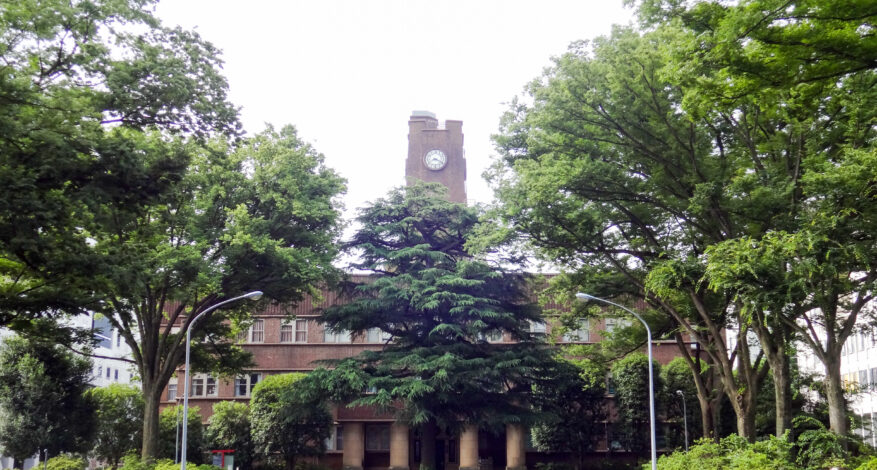
Sewell, Chile Attribution: Hiroki OgawaSewell, Chile Attribution: Hiroki OgawaAudits

IRMA response to civil society groups’ greenwashing concerns

1 Oct note: this blog has been edited since it was originally published to add IRMA’s position on “certification” and to increase clarity

An acknowledgment

IRMA acknowledges the continuing frustrations and important concerns raised in a statement by a network of civil society groups in relation to voluntary initiatives and certification systems, and specifically critique of the IRMA Standard for Responsible Mining and its associated independent audit system. We hear loud and clear their concerns that the Standard’s verification and achievement levels, and even participating in the audit process, could enable what some affected communities see as “greenwashing” the impacts of large-scale extraction. While we respond here to the concerns raised, we will respect request of groups in this network to not be named in our response.

IRMA’s Standards seek to reflect the perspectives of all stakeholders and Indigenous rightsholders using an equal, multi-stakeholder governance model. We actively seek out and encourage diverse perspectives from civil society actors as evident through the composition of working groups that aim to ensure that IRMA equally represents all concerned with the impacts of mining and the need to reduce harm. Some in civil society will find use in IRMA’s tools to make mining projects better, reducing negative impacts and increasing benefit sharing, others may reference IRMA’s definition of best practices when resisting mining in a place where Indigenous rights holders and others affected believe the risks and losses are too great. IRMA’s Standards reflect the principles of international conventions such as ILO 169 and the United Nations Decrlation on the Rights of Indigenous Peoples, and also the International Finance Corporation’s expectations that companies demonstrate they have achieved “broad community support” where they do business.

Not a replacement for government oversight

IRMA is a voluntary initiative intended to be used as a tool to offer transparency and accessibility to independently verified information of a mine site’s performance. It is not intended to replace or interfere with government oversight. We agree that no voluntary initiative has enforcement power to hold mining companies financially or legally accountable for infractions. IRMA’s independent audits are meant to provide unprecedented transparency and information about individual mining operations that affected stakeholders and rightsholders can use to demand better mining practices. This also offers opportunity for diverse sectors to differentiate and create greater value for mining companies who reduce harm, increasingly adopt best practices and more equitably share benefits with host communities.

IRMA doesn’t certify

It is important to note that IRMA is not a “certification” system. Although many voluntary standard systems do assign a stamp of approval, IRMA does not. We create and maintain a best-practice mining Standard, and through independent auditing, we report how a mining operation performs against that Standard. An IRMA 50 or 75 isn’t a stamp of approval. Rather, it’s insight into how an independent audit firm decided that the mine scored no lower than either 50% or 75% in the 4 IRMA principles: environmental and social responsibility, business integrity, and leaving positive legacies. Information is power, and power to positively change how mining is done. IRMA is dedicated to ensuring all those affected by mining have the information they need to make informed decisions about the mining that affects them.

Funding

Many voluntary standard systems related to mining are governed and primarily funded by private entities or industry trade associations. Civil society organizations have expressed concern that the motives of mining trade associations may appear in conflict with those whose highest priority is avoiding or minimizing mining’s negative impacts. We seek opportunities to collaborate with mining trade associations as they offer powerful potential to support their members to improve practices – and IRMA will maintain its fundamental commitment to equal governance by affected communities, labor unions, and NGOs working alongside private sector leaders. IRMA’s funding structure does include income from private sector membership fees and special project grants. However, over 50% of our funding is from philanthropic organizations that are passionate about climate justice and an equitable energy transition, including but not limited to the Ford Foundation, Climateworks Foundation, 11th Hour Project and Waverley Street Foundation.

Audits and audit firms

The network’s statement criticizes voluntary initiatives for not requiring surprise/unscheduled audits, expressing concern that mine sites can prepare in advance to clean-up or hide negative aspects of their operations. Auditor firms trained and approved by IRMA conduct an extensive review of documentation (including but not limited to records of site photos and digital files) to make informed decisions regarding compliance with standard requirements. IRMA is the only mining standard that requires public notice of audits before they begin – so that any Indigenous rights holder or other stakeholder may have direct access to auditors, to share their perspectives and concerns. Auditors reach out to stakeholders though various means to hear diverse perspectives, including online comment forms and social media (including WhatsApp), radio announcements, flyers and word of mouth individual outreach. IRMA staff also work to spread the word, including in-person conversations with workers, local community members, and NGO allied organizations.

IRMA acknowledges and shares the concerns regarding the expertise and impartiality of auditors and the auditing companies that employ them. As mentioned in the network’s statement, the reality is that most auditors for the mining sector, to date, have historically been accustomed to assessing mine sites against industry-led initiatives and standards. Affiliates of auditing companies have at times also served mining company clients either directly or indirectly through other means such as technical consulting services. IRMA requires its approved audit firms to follow conflict of interest rules, meet technical and expertise criteria, and draft audit reports are reviewed by IRMA’s Director of Assurance prior to finalization. The first 15 initial audits against the IRMA Standard for Responsible Mining have served and are serving both the IRMA Secretariat and Board, and the audit firms with whom we work, an opportunity to listen, learn and identify ways to improve the process for training of auditors, clarifying requirements in the Standard and improving civil society engagement in the audit process.

Improvement is for IRMA too, not just mining operations

The IRMA Secretariat and Board of Directors appreciate the recommendations from organizations that are critical of voluntary initiatives, and we commit to a practice of continually improving the IRMA system to build the trust, value and confidence for everyone who uses the system. IRMA is currently in the process of acting on civil society recommendations to improve methods for communicating audit report results and accessibility to IRMA’s Issues Resolution System.

IRMA’s approach to supporting more responsible mining encompasses the need to have mining operations be measured against best practices as assessed through the 400+ requirements of the standard. By supporting civil society participation in audits, we work to amplify the right of Indigenous rights holders and other stakeholders who say “No” to a mining operation, and to those who seek reduction of harm, increased access to information, improved benefits sharing and elevating their perspectives at an international level. IRMA firmly believes that through constructive dialogue with all IRMA can be a tool that encourages change that is equitable and inclusive of all perspectives in relation to mining.

READ MORE

IRMA Mining Engagement Update – Sep 2023

As of Sep 2023, 76 mining companies are now engaged in IRMA representing 99 sites:

59 sites are self-assessing under the IRMA Standard (36 have made this public), the first step before an independent audit;

23 are piloting the draft IRMA exploration (IRMA Ready) or mineral processing standard self-assessments

15 are in the independent assessment system: 11 audits are underway (South Africa, Senegal, Mozambique, Brazil, Chile, Argentina) and 4 completed audits have been published (Zimbabwe, Mexico, Chile)

They encompass 29 countries:

  1. Argentina
  2. Australia
  3. Brazil
  4. Canada
  5. Chile
  6. Colombia
  7. Dominican Rep.
  8. Finland
  9. France
  10. Indonesia
  11. Liberia
  12. Mexico
  13. Mozambique
  14. Namibia
  15. New Caledonia
  16. Norway
  17. Panama
  18. Portugal
  19. Philippines
  20. Russia
  21. Senegal
  22. South Africa
  23. Spain
  24. Sri Lanka
  25. Turkey
  26. Ukraine
  27. United States
  28. Zambia
  29. Zimbabwe

And 52 minerals and mineral types:

  1. Aggregates
  2. Barite
  3. Bauxite
  4. Cerium
  5. Chromite
  6. Chromium
  7. Coal (metallurgical)
  8. Cobalt
  9. Copper
  10. Diamonds
  11. Europium
  12. Feldspar
  13. Gadolinium
  14. Gold
  15. Graphite
  16. Iridium
  17. Iron
  18. Kyanite
  19. Lanthanum
  20. Lead
  21. Limestone
  22. Lithium
  23. Magnesium
  24. Mica
  25. Mineral sands
  26. Molybdenum
  27. Monazite sand
  28. Neodymium
  29. Nickel
  30. Osmium
  31. Palladium
  32. Praseodymium
  33. Platinum
  34. Potash
  35. Quartz
  36. Rare earth elements
  37. Rhodium
  38. Ruthenium
  39. Samarium
  40. Sand
  41. Selenium
  42. Silver
  43. Staurolite
  44. Sulphur
  45. Talc
  46. Tellurium
  47. Titanium
  48. Tourmaline
  49. Vanadium
  50. Xenotime
  51. Zinc
  52. Zircon
READ MORE