Moving at the speed of trust
[This was originally posted on OECD’s Cogito blog]
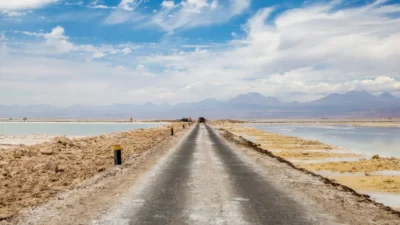
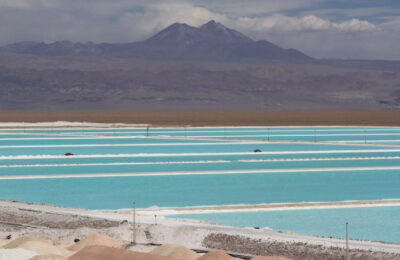
Last year, on the salt flats of Chile’s Salar de Atacama, a mine site audit was scheduled to begin, with auditors booked and the site visit planned. Then Indigenous leaders, representing peoples who have lived by these salt flats for generations, asked for something simple: more time.
The request was made because the audit dates overlapped with Chile’s Indigenous Consultation Process. Postponing the audit would minimise interference with a government-led process and provide more time for Indigenous organisations to convene and clearly articulate the experiences they wanted to share with auditors. The mine site agreed to the request.
This simple yet crucial responsiveness doubled the participation of communities. The resulting audit report had six times more references of the voices of Indigenous Peoples, in comparison to the initial audit. For communities, these references amplify their voices and increase their confidence in the report findings, as they see themselves heard.
We think about that moment often: nothing dramatic happened and it made no headlines. But that’s what the Initiative for Responsible Mining Assurance (IRMA) has spent twenty years building: a system where mutual respect is built between mining proponents and local communities through slow and steady steps.
Bridging the trust deficit
Audit reports only matter if they carry the voices of everyone a mine touches, including management and investors, but also subcontractors, mine workers, and the community leaders who will still be living beside the site long after the auditors leave. Meaningful participation does not happen by showing up one day and asking people to participate.
It is built relationship by relationship over time, which is why IRMA staff spent this past year on the ground across five continents, from the DRC, Australia and Argentina to Indonesia and Sweden, explaining how IRMA works and listening to what people need in order to participate in the process.
What it looks like when it works
Shurugwi, Zimbabwe, is a good place to see that patience pays off.
Before the IRMA audit, Unki already had a Community Engagement Forum in place, but participation was limited and dialogue often felt one-sided. The audit process helped make that space more transparent and inclusive, strengthening community involvement and shifting it from passive attendance to active engagement.
Unki’s Community Forum now meets quarterly, not just when there’s a complaint. “We use the IRMA standard as a guide,” said Antony Chadhliwa, IRMA lead at Unki. “The way we engage is clearer, more transparent, and better understood by everyone involved.”
Unki began sharing more information about environmental management. They created a community environmental committee and started simplifying technical data, like water sample results, so people could understand them. For Brian Chiteme, a member of the local community, the shift is as much emotional as practical: “We now have a sense of ownership. We used to be told what was happening. Now, we’re part of it.”
Twenty years of meeting around the same table
This year marks roughly two decades since the conversations that led to IRMA’s founding and a push for greater local participation in mining decision-making. The early years were spent building enough trust to stay at the table; the years that followed focused on reaching a shared definition of what “responsible mining” actually means.
After a decade, the system was ready for its firsts: the first Standard, the first audits, the first hard findings, and the work of fixing what didn’t work. In the past six years, we’ve seen the system work at scale: over 100 mining companies are now engaged and using the system.
The system is still evolving. The tools to make lengthy audit reports usable on the ground are still being built, and our grievance mechanism helps identify where we can improve. We know that just as we ask mines to use findings to drive change, we must listen to stakeholders and adjust our systems as well.
Our feedback mechanism is open to anyone who believes the process has failed them. As one example, we’ve heard from communities who raised questions about the public notice of an audit, concerned about accessibility for those who do not have access to the internet or smartphones. We met with those community members to hear from them directly, connected them to auditors, and ensured they were interviewed, so their voices could be included in the findings.
What this means for the mining industry
That same commitment to direct engagement is an asset for mining operators, not a liability. For operators, the value of the process lies less in the audit result than in the dialogue it generates with the people a mine affects most. We find that through the audit process, companies walk away with a working relationship with their communities, not just an audit report.
None of this works unless the system stays credible, and it stays credible only because no single interest – not industry, not any one government, not IRMA itself – controls the bar mines are measured against. Six groups hold that bar together, including the communities.
We do not claim that mining’s hardest problems have been solved. What we do have is evidence, from the salt flats in Chile to the midlands of Zimbabwe, that when someone asks to be heard, and a system designed to listen makes room for that request, something real can change – for the community, and for the value of an audit itself.
The implications of this run wider than any one scheme. Governments can set consultation frameworks and timelines with communities rather than around them; companies can make engagement part of how a site is run, rather than a step before approval; and auditors can design processes that accommodate local decision-making without losing rigour. That way, communities can shape what is assessed, rather than only responding to the results.
Further information: the 2026 OECD Conference of Mining Regions and Cities takes place in Antofagasta, Chile, this October, bringing together governments, companies, auditors and communities working on these questions.