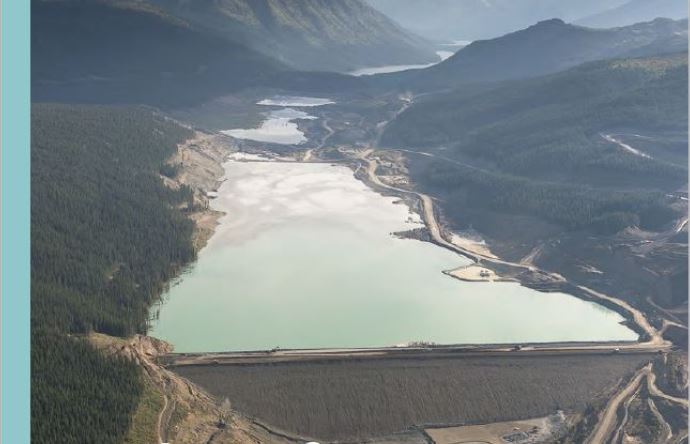
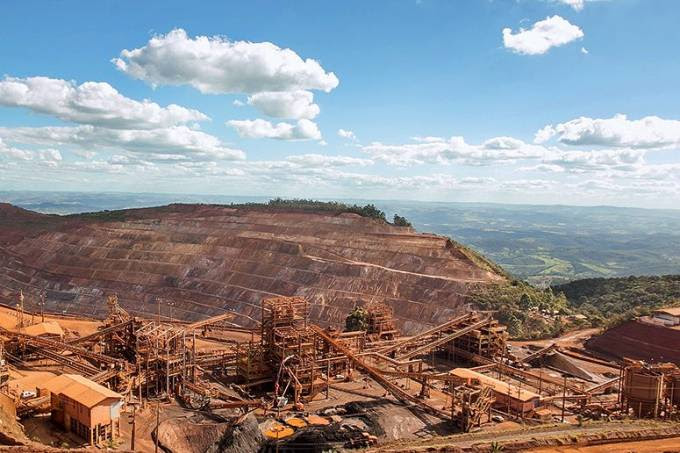
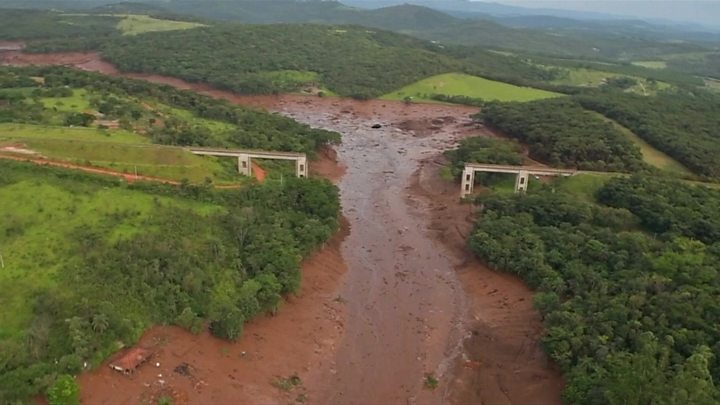
tailings dam

Topic consultations for draft Standard 2.0

Over the next two months IRMA is hosting live, virtual consultations to discuss and comment on different topics covered by the Draft Standard for Responsible Mining and Mineral Processing 2.0. Facilitated by the IRMA Secretariat, these virtual meetings share what you need to know about the proposed changes and/or new areas in a specific topic inside the Standard (download or view specific chapters here). They will ask some guided questions where IRMA especially seeks feedback. And we encourage all comments — these Zoom sessions are meant to be inclusive and collaborative spaces for such discussion.

All consultations will be in English and last for 60 minutes. Registration is required, all times are UTC-0. Please register through the links provided below for any topics you might be interested in. NOTE: all consultations below are for the Standard for Responsible Mining and Mineral Processing. Visit the Chain of Custody Standard page for those webinars.

2023 2024
07 December 14:00-15:00
Water Management
Watch the recording
🔗 Presentation
10 January 09:00-10:00
Sector-specific: Mineral Processing
Watch the recording
🔗 Presentation
08 December 14:00-15:00
Gender Equality & Gender Protections
Watch the recording
🔗 Presentation
10 January 17:00-18:00
Sector-specific: Exploration and Development
Watch the recording
🔗 Presentation
11 December 14:00-15:00
Occupational Health & Safety
Watch the recording
🔗 Presentation
11 January 16:00-17:00
Sector-specific: Mining Companies
Watch the recording
🔗 Presentation
11 December 16:00-17:00
Waste & Materials Management (incl. tailings)
Watch the recording
🔗 Presentation
12 January 07:00-08:00
Water Management

🔗 Presentation
12 December 14:00-15:00
GHG Emissions & Energy Consumption
Watch the recording
🔗 Presentation
12 January 14:00-15:00
Land & Soil Management
Watch the recording
🔗 Presentation
12 December 16:00-17:00
Indigenous Peoples & FPIC
Watch the recording
🔗 Presentation
15 January 07:00-08:00
Occupational Health & Safety
Watch the recording
🔗 Presentation
13 December 14:00-15:00
Management of Physical Stability (incl. tailings)
Watch the recording
🔗 Presentation
16 January 07:00-08:00
Waste and Materials Management (including tailings)
Watch the recording
🔗 Presentation
14 December 14:00-15:00
Planning, Financing Reclamation and Closure
Watch the recording
🔗 Presentation
18 January 07:00-08:00
Management of Physical Stability (including tailings)
Watch the recording
🔗 Presentation
18 December 14:00-15:00
Land Acquisition, Displacement, and Resettlement
Watch the recording
🔗 Presentation
19 January 07:00-08:00
GHG Emissions & Energy Consumption
Watch the recording
🔗 Presentation
READ MORE
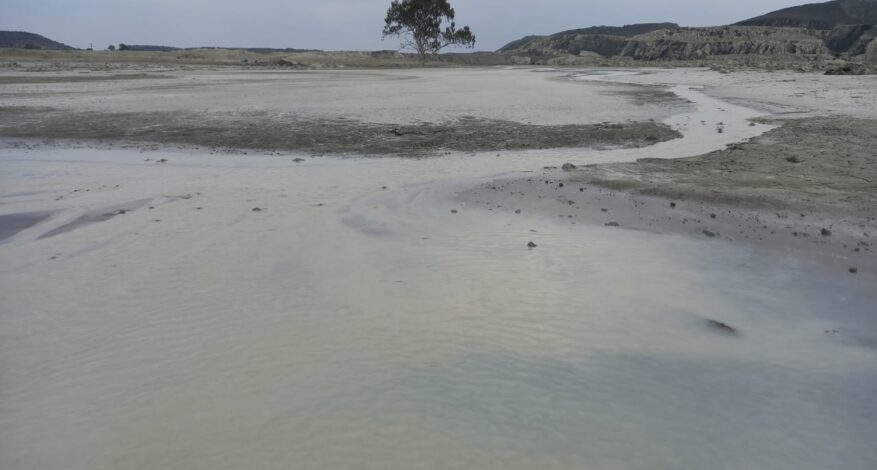
Lonely tree after the Jagersfontein mine tailings spill. Credit: MACUALonely tree after the Jagersfontein mine tailings spill. Credit: MACUAAfrica

What will we learn from another mine waste tragedy?

(Note: this blog appeared in the Sep 22, 2022 IRMA newsletter)

On September 11 in South Africa about 500km southwest of Johannesburg, the tailings dam failed at the Jagersfontein mine waste impoundment. Three people were killed, four more are still missing, and 40 were hospitalized.

This is a tragedy, and all the more so because it was predictable.

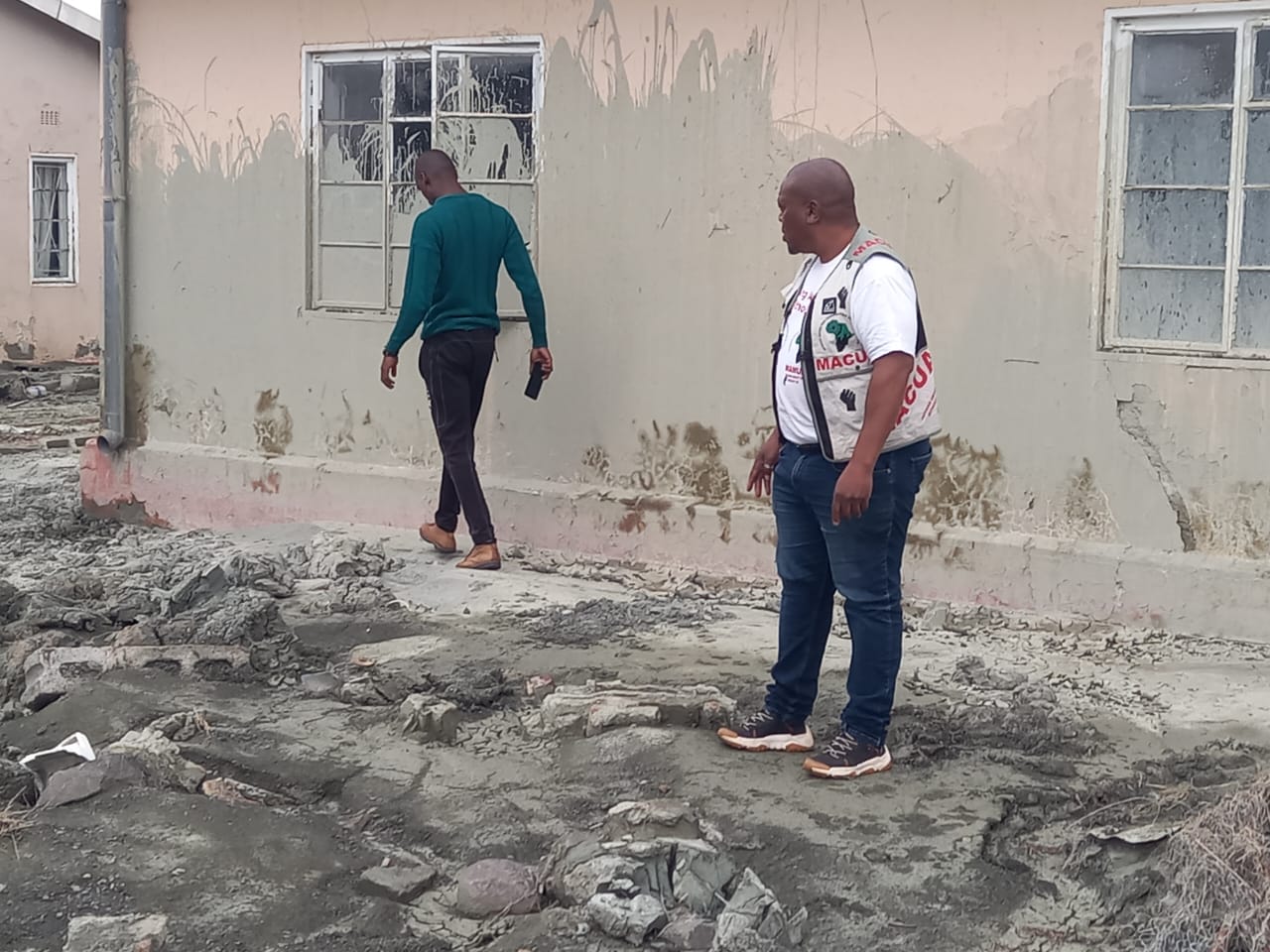
IRMA Board member Meshack Mbangula of Mining Affected Communities United in Action and other MACUA leaders are currently in the region, gathering the perspectives of communities. Meshack shares that some are still without water, electricity, sewage management, and with road blockages limiting children’s access to school.

From the world’s repeated recent experience with mine waste disasters, we know that poor tailings facility designs, aging facilities, and increasing frequency of extreme weather associated with climate change will combine to cause more mine waste tragedies around the world for communities living near mining operations.

We can act to minimize that threat. We join with others asking three questions:

  1. How can we prevent the construction of new mining waste facilities with this type of risk to fail?
  2. How can we provide sufficient funds for communities and governments to protect public safety from these mine waste risks even when mine ownership changes?
  3. The unbelievably difficult question of how to put protection of human life first at the thousands of places around the world where these dams already exist?
Meshack Mbangula of MACUA and IRMA's board, witnessing the Jagersfontein tailings spill aftermath. Credit: MACUA
Meshack Mbangula of Mining Affected Communities United in Action and IRMA board member, witnessing the Jagersfontein tailings spill aftermath. Credit: MACUA

The disaster, and reports of years of community effort to raise concern and attention to the risks, shows the importance of ongoing community involvement in addressing a mine’s impacts – for as long as the mine’s impacts exist.

IRMA’s Standard for Responsible Mining seeks to address these issues in not only our chapter on waste management, but also chapters on emergency preparedness and responseprotecting water resourcesstakeholder engagement, and reclamation, closure and financial assurance.  Learning from this experience will inform the update of how diverse stakeholders together define “best practices” in the IRMA Standard, due out in 2023.

READ MORE
NGOs

BC Mining Law Reform Issues Recommendations for Legal Reform

BC Mining Law Reform was created in May 2019 to push for certain changes in the BC mining regulatory landscape. The new reports offer 69 recommendations that range from broad policy updates to small changes in current legislation. They include the adoption of free, prior, and informed consent for indigenous communities affected by mining projects and major changes to BC’s mineral tenure system.

Waste Disposal and Management: BC Mining Law Reform recommends reducing the number of existing tailings dams; moving away from wet tailing impoundments; adopting the Initiative for Responsible Mining Assurance (IRMA) Standard for Responsible Mining for waste management; and banning disposal of wastes into lakes, rivers, or oceans.

Water Protection: BC Mining Law Reform recommends the adoption of the IRMA Standard for Responsible Mining water management standards, including full consultation with communities and stakeholders on critical water-related issues, with third party independent reviews. The network also recommends the prohibition of mines likely to require perpetual water treatment unless able to meet exceptional criteria.

Read full article >

READ MORE
North America

B.C. needs to act quickly to prevent future mine-tailings disasters

Loretta Williams, chairwoman of First Nations Women Advocating Responsible Mining and Calvin Sandborn, QC, legal director of the Environmental Law Centre at the University of Victoria call on Premier John Horgan to act now to protect the workers and communities below tailings dams.

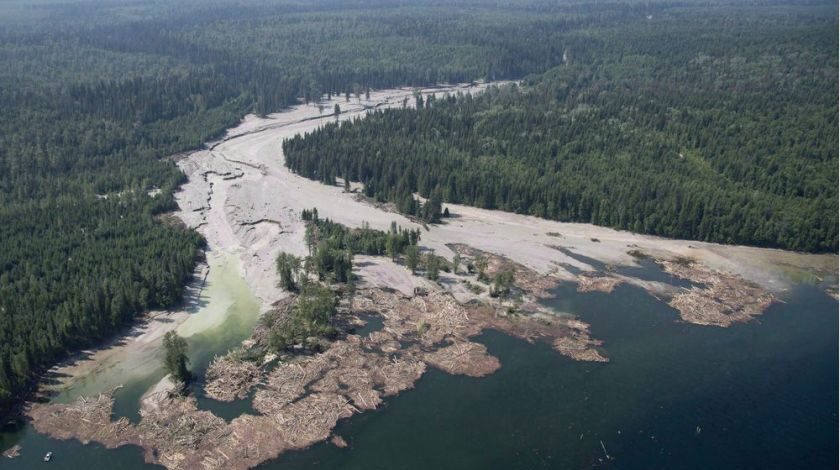
Photo Credit: Jonathan Hayward / The Canadian Press.

About five years ago, both B.C. and Brazil got dramatic warnings of the danger that tailings dams pose. In 2014, the Mount Polley mine dam collapsed, creating one of Canada’s most epic environmental disasters. Only 15 months later, a tailings dam in Mariana, Brazil, collapsed, wiping out a neighbourhood, killing 19 and poisoning a vast watershed. Fish literally leaped out of the river to flap on the banks, trying to escape lethal effluent.

Read full article >

READ MORE
South America

Catastrophic spill from mining dam threatens thousands of lives

“Vale’s Brumadinho mining waste dam failure is all the more tragic because the mining industry knows how to prevent them, yet failed to act.” — Payal Sampat, Earthworks.

Photo Credit: BBC.

The Independent Catholic News reports that:  Hundreds of people are missing, 37 people have been confirmed dead and more than 24,000 people have been evacuated from the Brazilian town hit by a deadly mudslide unleashed by a ruptured mining dam, as rains raised fears a second dam could collapse. . .

Payal Sampat, the Mining Director of our US counterpart organisation, Earthworks, said: “Vale’s Brumadinho mining waste dam failure is all the more tragic because the mining industry knows how to prevent them, yet failed to act. 200 people are missing and some presumed dead because Vale and the rest of global mining industry haven’t adopted the Mount Polley Independent Expert Panel’s recommendations made in response to a similar catastrophic mining waste dam failure in 2014. These recommendations have been globally recognized, including by the United Nations Environment Programme’s 2017 assessment of tailings dams failures, and by the multi-sector Initiative for Responsible Mining Assurance standard. Until these recommendations are adopted and independently verified, preventable mining disasters will continue to occur wherever the mining industry operates.

Read full article >

READ MORE