consultation

Blog

IRMA Standard v2.0 – November 2025 Revision Update

The second public consultation on the IRMA Standard v2.0 closed a few days ago, and IRMA wants to warmly thank all the organizations and individuals that engaged.

Here are some initial statistics showing the level and diversity of interactions:

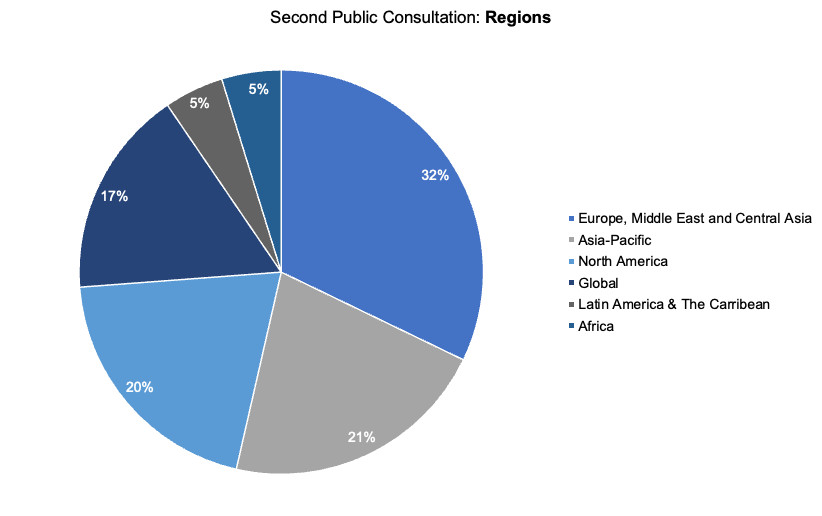
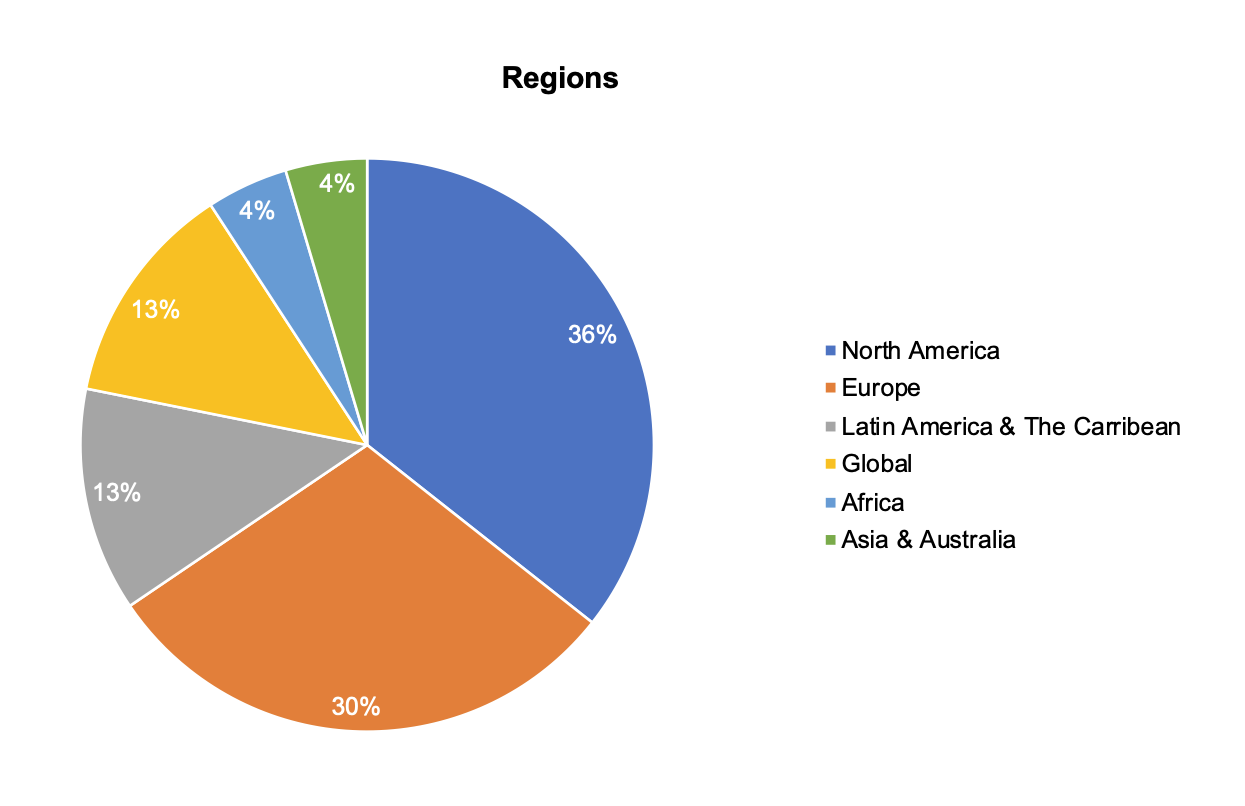
  • 82 organizations have engaged in the revision process, covering all regions of the world (see chart below).
  • Comments have been received from all categories of stakeholders and rights-holders, offering a wide and diverse range of perspectives.
  • We note and appreciate the substantial feedback received from multiple organizations that had not contributed during the first round.
  • Several organizations that had contributed during the first round have indicated to IRMA that they had no further comment to share during this second round.

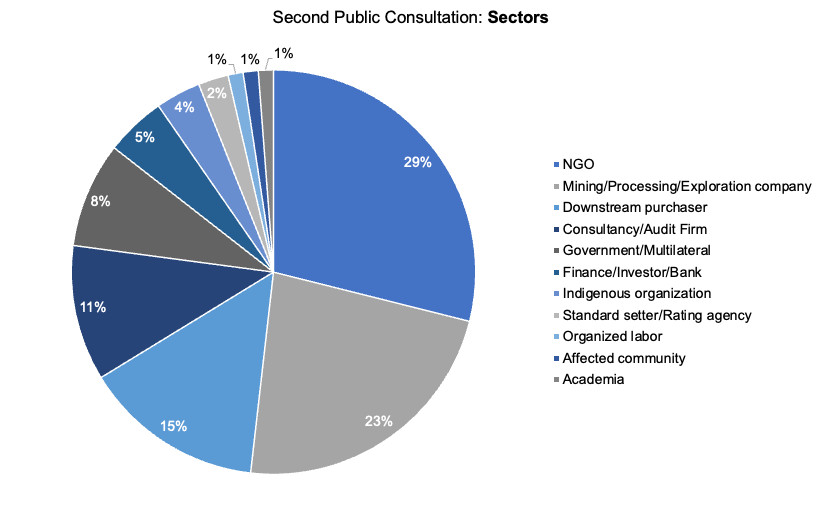
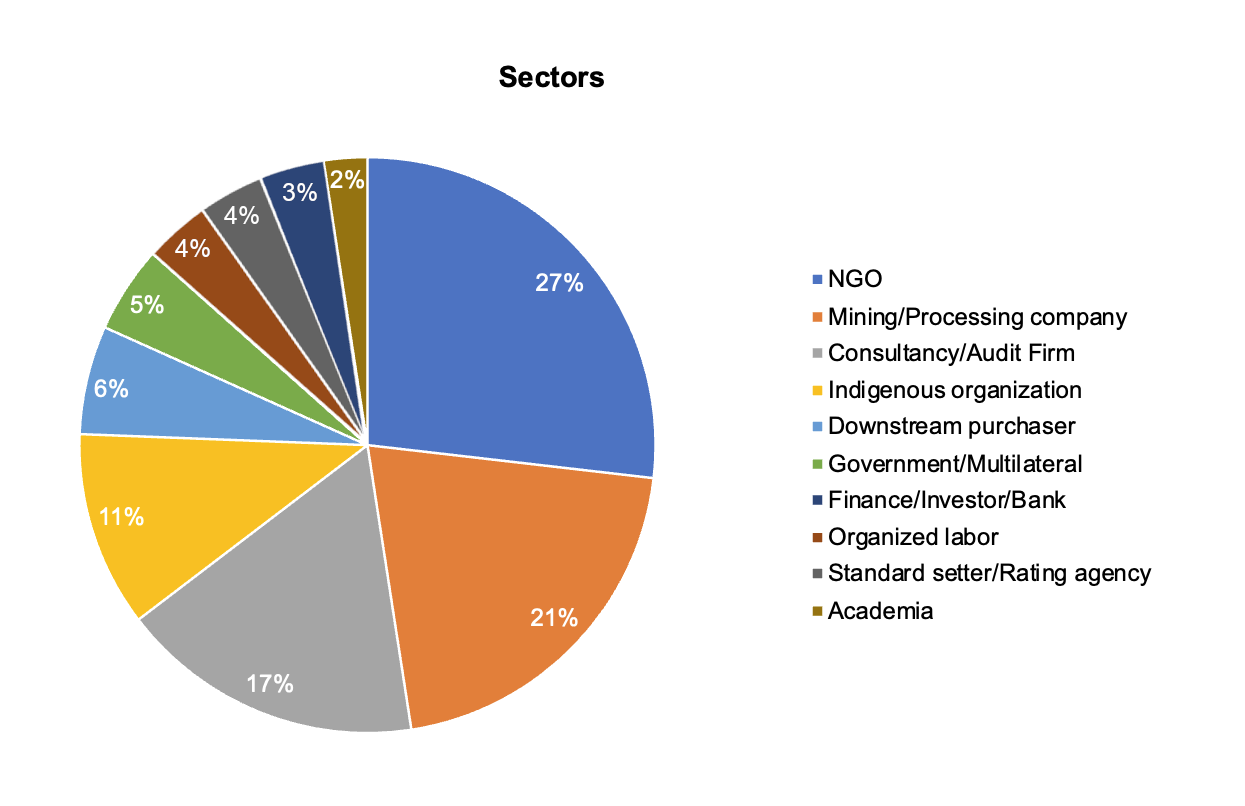
As shown in the pie chart below, IRMA received submissions from all categories of stakeholders and rights-holders:

  • 29% of the contributing organizations are NGOs
  • 23% are companies involved in mining and/or processing and/or exploration
  • 15% are downstream purchasers of mined material
  • 11% are consultancy or audit firms
  • 8% are governments or multilateral organizations
  • 5% are finance institutions or banks or investors
  • 4% are Indigenous organizations
  • Remaining 5% include standard-setters, rating agencies, organized labor, affected communities, and academia

What’s next?

We will now carefully review and process all the contributions, in order to prepare a final version of the Standard which our equally-governed multi-stakeholder Board of Directors will use to inform its discussions and standard approval process.

In the meantime, we are collecting the final answers from the 52 individual Expert Advisors who volunteered to guide us with advice regarding targeted questions on 6 topics.

And a cross-stakeholder Expert Working Group on tailings and mine waste will start soon (its composition is being finalized).

The IRMA Standard v2.0 won’t be approved until the IRMA Board has had time to review such final version, discuss the changes and the recommendations of their constituencies, and has reached consensus.


If you have any question regarding this process ,you can contact our Standards Director, Pierre Petit-De Pasquale at: pdepasquale@responsiblemining.net


You can find more information about our Standards Development Process here.


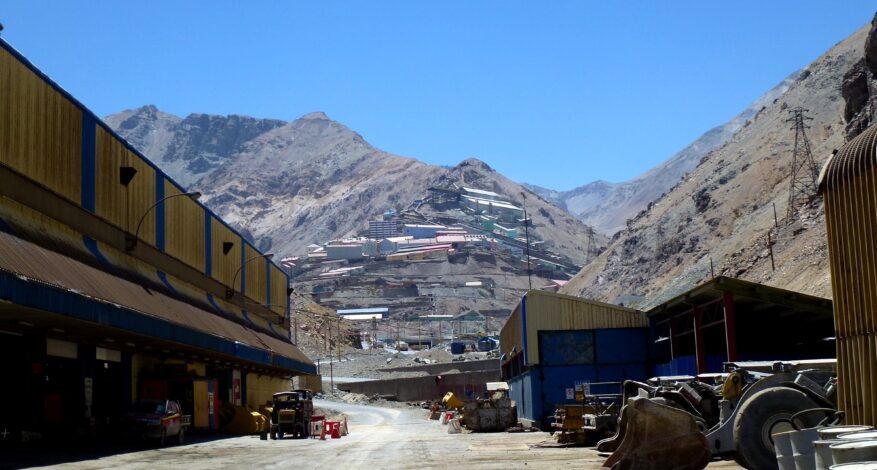
Picture: Pixabay – Creative Commons Zero (CC0) license

READ MORE
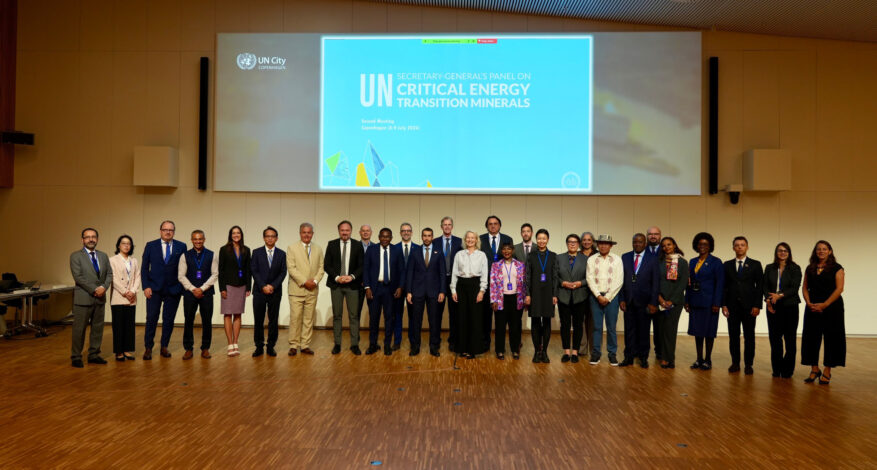
UN Secretary General's Critical Energy Transition Minerals Panel in CopenhagenUN Secretary General's Critical Energy Transition Minerals Panel in CopenhagenBlog

Inform the UN Panel on Critical Energy Transition Minerals

Input Requested by 30 July to Inform the UN Secretary-General’s Panel on Critical Energy Transition Minerals

This July IRMA participated in the first in-person meeting of the United Nations (UN) Secretary-General’s Panel on Critical Energy Transition Minerals in Copenhagen, Denmark.

The panel is charged with developing “a set of global and common voluntary principles on issues which are key to building trust between governments, communities and industry, enhancing transparency and investment and ensuring a just and equitable management of sustainable, responsible, and reliable value chains for terrestrial critical energy transition minerals.”

The work of the panel is a UN-wide effort with technical support from the UN Environment Program, the UN Conference on Trade and Development, and other UN bodies.

Panel Timeline: April to September 2024

The panel is working under a tight timeline. UN Secretary-General António Guterres announced the panel on 2 December 2023 at COP28 in Dubai. The panel was launched on 26 April this year and the first substantive panel meeting was held in a virtual format on 22 May.

Between the May and early July, panel members worked across four workstreams divided into four related topics:

  1. Benefit sharing, local value addition and economic diversification;
  2. Transparent and fair trade and investments;
  3. Sustainable, responsible and just value chains; and
  4. Mineral value chain stability and resilience.

Each workstream met twice in virtual formats to discuss and propose principles and recommended actions in preparation for the in-person 8-9 July panel meeting in Copenhagen. Prior to the Copenhagen meeting, a set of Civil Society Recommendations for the panel, supported by over 136 organizations around the world, was submitted to inform the panel’s work.

The last panel meeting will be held in person 20-21 August in Nairobi. The final panel report is to be submitted to the Secretary-General by early September 2024.

Opportunity to Submit Comments

On 2 July the UN published a panel background paper and opened a portal for public submission of comments to inform the panel. The portal will remain open through 30 July. We encourage you to submit comments and share the opportunity to do so with your networks.

IRMA also welcomes your recommendations regarding our engagement in the panel and any aspect of the panel’s work. Please contact us at contact@responsiblemining.net to inform this effort.

Useful Links:
READ MORE
Standard 2.0

Update on Standard for Responsible Mining 2.0

NOTE: This post is superseded by the linked 3 June 2025 update.

As we announced back in October, IRMA is comprehensively revising the 2018 IRMA Standard for Responsible Mining (1.0). This revision process allows IRMA to:

  • Remain accountable to all sectors
  • Remain up-to-date with best practice
  • Add clarity and strengthen auditability
  • Add consistency, and
  • Fill in gaps

Using ISEAL’s Code of Good Practice for Sustainability Systems as a reference, this revision process is informed by:

  • 5 years of ongoing stakeholder engagement
  • Experiences from the initial IRMA third-party audits
  • Review of other standards and initiatives
  • Increased public awareness and evolving expectations of best practice
  • Review of emerging issues garnering international discussions
  • Changes to relevant legislation across the full scope of the standard
  • Comments on previous drafts (IRMA-Ready, Mineral Processing, Chain of Custody)
  • Targeted engagement activities on specific topics
  • IRMA Expert working groups, and
  • Public consultation

Unlike the Standard 1.0 which only covers mineral extraction operations, the  IRMA Standard 2.0 is expected to also cover development, exploration, and mineral processing: the IRMA Standard for Responsible Mining and Mineral Processing. Separately we will launch a Chain of Custody Standard.

Public Comments Received for the 1st Draft of IRMA Standard 2.0

The 90 day public consultation lasted from October 26 through January 26. During that time we:

  • Hosted 2 introductory webinars attended by 150 participants
  • Hosted 20 live topic consultation webinars — across multiple time zones — attended by 180 unique participants
  • Received 2,500+ discrete comments from 82 organizations, and
  • Allowed for additional engagement and feedback outside the formal process

The sector and geographic distributions of these 82 commenting organizations are shown below:

Regions from which Standard 2.0 public comments were submitted


Sectors from which IRMA received public comments on Standard 2.0 draft

Of the 28 chapters in first draft Standard 2.0, the most-commented upon were (in alphabetical order):

  • Biodiversity, Ecosystem Services and Protected Areas
  • Community and Stakeholder Engagement
  • ESIA (Environmental and Social Impact Assessment and Management)
  • Fair Labor and Terms of Work
  • Gender Equality and Gender Protections (new)
  • GHG and Energy Consumption
  • Human Rights Due Diligence
  • Indigenous Peoples and FPIC
  • Occupational Health and Safety
  • Waste and Materials Management
  • Water Management

Public Comments Received for the second draft of the Chain of Custody Standard

A first draft was released for public comment in 2021. The 90 day public consultation for the second draft lasted from October 26 through January 26. During that time we:

Timeline

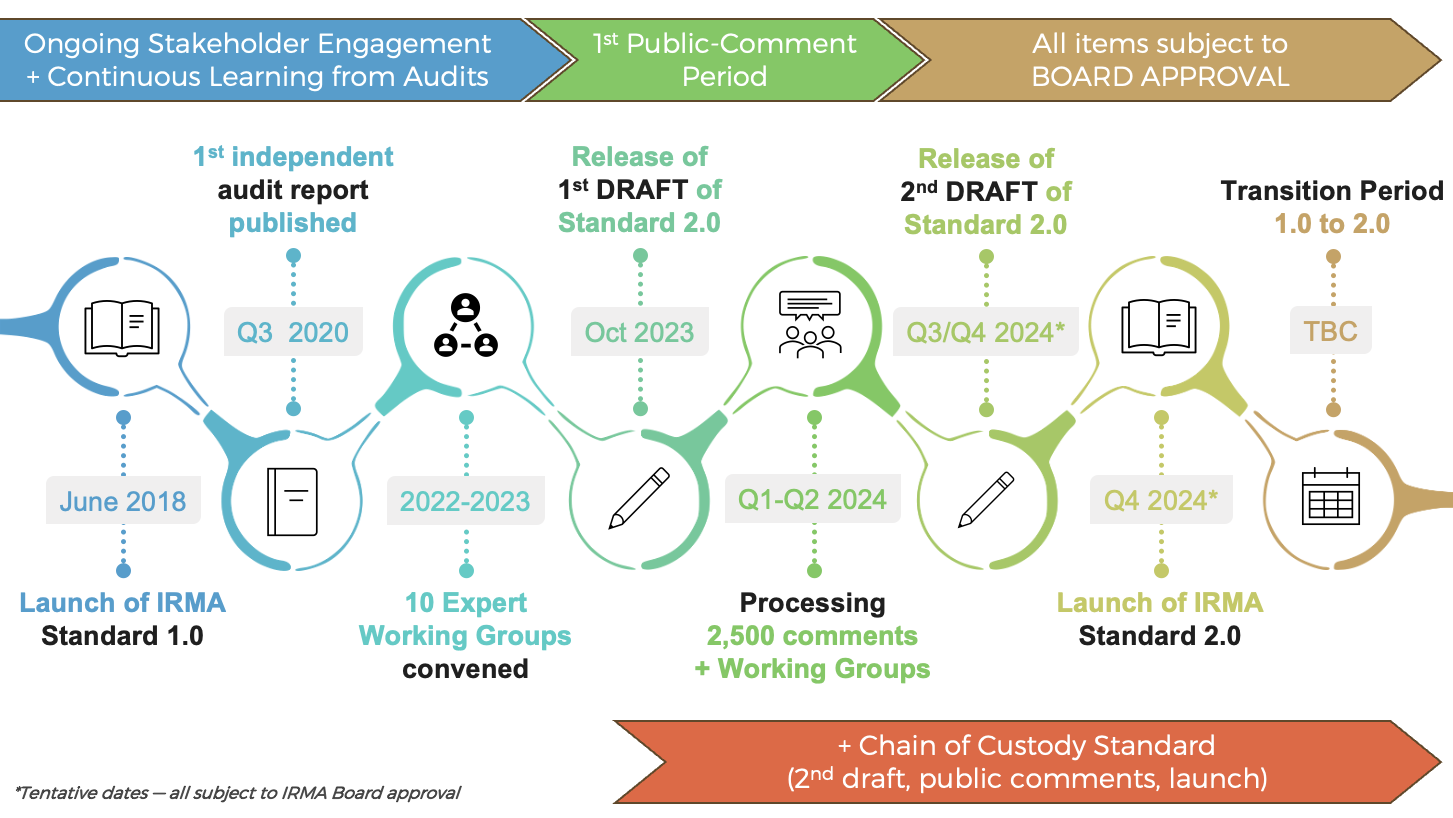
As included in the graphic below, the IRMA Secretariat is currently processing all the public comments received. Although subject to the approval of the IRMA Board of Directors, it is envisaged to release a 2nd draft for public comment in the second half of 2024. We hope to launch the actual Standard 2.0 – once approved by the IRMA Board of Directors – towards the end of 2024, thus triggering a transition period (duration to be decided and approved by the Board) between versions 1.0 and the 2.0 for all the entities and sites engaged (and seeking to engage) in the IRMA System.

Standard 2.0 revision timeline

READ MORE
Credit: Nick Youngson CC BY-SA 3.0 Pix4freeCredit: Nick Youngson CC BY-SA 3.0 Pix4freeStandard 2.0

The IRMA Standards revision — an update

IRMA would like to warmly thank all the people who have participated in the public-comment period that ended on 26 January to inform the revision of our Standards.

Through our live consultation webinars, our online platform, and direct engagement, we have collected about 2,000 individual lines of comments, submitted by more than 80 organizations spread across all continents (Asia, Africa, North America, South America, Europe, and Australia).

Building upon 5 years of implementation, learning, and continuous stakeholder engagement on the Standard, the IRMA Secretariat is now consolidating and processing all these comments and recommendations. Additional Expert Working Groups are being convened where necessary.

Subject to the approval of IRMA’s equally-governed multi-stakeholder Board, we hope to launch the IRMA Standard for Responsible Mining and Mineral Processing V2.0  before the end of the year, together with a public report on the comment period and the rationale for the final changes made and approved. We hope to also launch the IRMA Chain of Custody Standard this year, also subject to Board’s approval.

READ MORE
Cover of IRMA Draft Standard 2.0 Proposed Normative Requirements for Exploration, Development and Mineral ProcessingCover of IRMA Draft Standard 2.0 Proposed Normative Requirements for Exploration, Development and Mineral ProcessingStandard 2.0

Std 2.0 and Exploration, Development & Processing

The IRMA Draft Standard for Responsible Mining and Mineral Processing 2.0 incorporates the draft IRMA Standard for Responsible Mineral Development and Exploration (the ‘IRMA-Ready’ Standard – Draft v1.0 December 2021), the draft IRMA Standard for Responsible Minerals Processing (Draft v1.0 June 2021), and the IRMA Standard for Responsible Mining 1.0 (2018) into one integrated standard that covers all phases and types of mineral development activities.

The 2023 proposed revisions for version 2.0 are meant to apply at any phase of the mineral development life cycle (e.g., exploration, project development, permitting, construction, mining and processing operations, reclamation and closure, post-closure).

To highlight and clarify those additions, we have released a summary of the draft Normative Requirements for those phases — where IRMA requirements are modified to govern stages of exploration, development or mineral processing.  The IRMA Draft Standard 2.0 Normative Requirements for each chapter are provided and discussed in Appendix A.

In the context of this guidance document, a normative requirement modifies a given IRMA requirement from the IRMA DRAFT Standard 2.0 for a specific phase, by either replacing or  supplementing the original text of this requirement. We use the terminology “normative requirements” here since they modify the elements that would actually be required and that auditors would measure against, not just guidance that helps to enrich or guide understanding of those requirements.

These Normative Requirements are part of the Draft Standard 2.0, so just as with the rest of the draft Standard, they are proposed and open for public comment until January 26, 2024.

READ MORE

Topic consultations for draft Standard 2.0

Over the next two months IRMA is hosting live, virtual consultations to discuss and comment on different topics covered by the Draft Standard for Responsible Mining and Mineral Processing 2.0. Facilitated by the IRMA Secretariat, these virtual meetings share what you need to know about the proposed changes and/or new areas in a specific topic inside the Standard (download or view specific chapters here). They will ask some guided questions where IRMA especially seeks feedback. And we encourage all comments — these Zoom sessions are meant to be inclusive and collaborative spaces for such discussion.

All consultations will be in English and last for 60 minutes. Registration is required, all times are UTC-0. Please register through the links provided below for any topics you might be interested in. NOTE: all consultations below are for the Standard for Responsible Mining and Mineral Processing. Visit the Chain of Custody Standard page for those webinars.

2023 2024
07 December 14:00-15:00
Water Management
Watch the recording
🔗 Presentation
10 January 09:00-10:00
Sector-specific: Mineral Processing
Watch the recording
🔗 Presentation
08 December 14:00-15:00
Gender Equality & Gender Protections
Watch the recording
🔗 Presentation
10 January 17:00-18:00
Sector-specific: Exploration and Development
Watch the recording
🔗 Presentation
11 December 14:00-15:00
Occupational Health & Safety
Watch the recording
🔗 Presentation
11 January 16:00-17:00
Sector-specific: Mining Companies
Watch the recording
🔗 Presentation
11 December 16:00-17:00
Waste & Materials Management (incl. tailings)
Watch the recording
🔗 Presentation
12 January 07:00-08:00
Water Management

🔗 Presentation
12 December 14:00-15:00
GHG Emissions & Energy Consumption
Watch the recording
🔗 Presentation
12 January 14:00-15:00
Land & Soil Management
Watch the recording
🔗 Presentation
12 December 16:00-17:00
Indigenous Peoples & FPIC
Watch the recording
🔗 Presentation
15 January 07:00-08:00
Occupational Health & Safety
Watch the recording
🔗 Presentation
13 December 14:00-15:00
Management of Physical Stability (incl. tailings)
Watch the recording
🔗 Presentation
16 January 07:00-08:00
Waste and Materials Management (including tailings)
Watch the recording
🔗 Presentation
14 December 14:00-15:00
Planning, Financing Reclamation and Closure
Watch the recording
🔗 Presentation
18 January 07:00-08:00
Management of Physical Stability (including tailings)
Watch the recording
🔗 Presentation
18 December 14:00-15:00
Land Acquisition, Displacement, and Resettlement
Watch the recording
🔗 Presentation
19 January 07:00-08:00
GHG Emissions & Energy Consumption
Watch the recording
🔗 Presentation
READ MORE
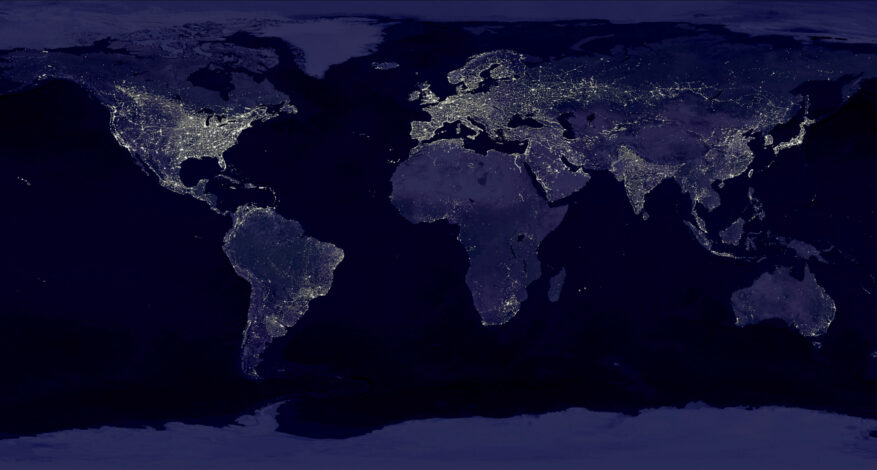
earth at nightearth at nightStandard 2.0

Public Consultation Begins for Draft Standards

Click here to register for webinarsToday we began public consultation for the Draft Standard for Responsible Mining and Mineral Processing, and the Draft Chain of Custody Standard. Public consultation runs through 26 January 2024. For more information on how to comment, please click through to each standard.

The Draft Standard for Responsible Mining and Mineral Processing is an update of the 2018 IRMA Standard for Responsible Mining – the strongest voluntary mining standard in the world, and the only one equally governed by a multistakeholder coalition. The updated draft:

  • Addresses the entire mining process: Mineral Exploration & Development, and Processing in addition to Mining.
  • Adds new chapters on Gender Equality / Gender Protections; Physical Stability; Land and Soil
  • Improves chapters on Financial Transparency and Anti-Corruption; Free, Prior, and Informed Consent (FPIC); and Indigenous Peoples
  • Improves how the standard addresses specific topics including greenhouse gas emissions and energy; recycling materials and circularity; operational health & safety; responsible sourcing; human rights; cultural heritage

The new Chain of Custody Standard Draft is designed to provide baseline requirements for tracing material coming from any IRMA-audited mine through the downstream processing of minerals into products, all the way to the end consumer.

Transparently reviewing and updating IRMA Standards ensures they are accountable to all sectors, stakeholders and Indigenous rights holders, and allows for the incorporation of changes in best practice to provide a global responsible mining benchmark. We review every 5 years using the ISEAL Standard Setting Code of Good Practice as a reference.

To provide comment, IRMA is reaching out to a wide and diverse set of stakeholders and Indigenous rights holders, including affected local communities, workers and their unions, nonprofit organizations, mining and minerals processing companies, purchasing and investment companies, governments and international organizations, scientists and researchers. Anyone can provide input. Comments will be confidential on request. All comments will be considered carefully – a summary of comments and IRMA’s responses will be provided after the consultation period ends.

READ MORE
Sewell, Chile Attribution: Hiroki OgawaSewell, Chile Attribution: Hiroki OgawaAudits

IRMA response to civil society groups’ greenwashing concerns

1 Oct note: this blog has been edited since it was originally published to add IRMA’s position on “certification” and to increase clarity

An acknowledgment

IRMA acknowledges the continuing frustrations and important concerns raised in a statement by a network of civil society groups in relation to voluntary initiatives and certification systems, and specifically critique of the IRMA Standard for Responsible Mining and its associated independent audit system. We hear loud and clear their concerns that the Standard’s verification and achievement levels, and even participating in the audit process, could enable what some affected communities see as “greenwashing” the impacts of large-scale extraction. While we respond here to the concerns raised, we will respect request of groups in this network to not be named in our response.

IRMA’s Standards seek to reflect the perspectives of all stakeholders and Indigenous rightsholders using an equal, multi-stakeholder governance model. We actively seek out and encourage diverse perspectives from civil society actors as evident through the composition of working groups that aim to ensure that IRMA equally represents all concerned with the impacts of mining and the need to reduce harm. Some in civil society will find use in IRMA’s tools to make mining projects better, reducing negative impacts and increasing benefit sharing, others may reference IRMA’s definition of best practices when resisting mining in a place where Indigenous rights holders and others affected believe the risks and losses are too great. IRMA’s Standards reflect the principles of international conventions such as ILO 169 and the United Nations Decrlation on the Rights of Indigenous Peoples, and also the International Finance Corporation’s expectations that companies demonstrate they have achieved “broad community support” where they do business.

Not a replacement for government oversight

IRMA is a voluntary initiative intended to be used as a tool to offer transparency and accessibility to independently verified information of a mine site’s performance. It is not intended to replace or interfere with government oversight. We agree that no voluntary initiative has enforcement power to hold mining companies financially or legally accountable for infractions. IRMA’s independent audits are meant to provide unprecedented transparency and information about individual mining operations that affected stakeholders and rightsholders can use to demand better mining practices. This also offers opportunity for diverse sectors to differentiate and create greater value for mining companies who reduce harm, increasingly adopt best practices and more equitably share benefits with host communities.

IRMA doesn’t certify

It is important to note that IRMA is not a “certification” system. Although many voluntary standard systems do assign a stamp of approval, IRMA does not. We create and maintain a best-practice mining Standard, and through independent auditing, we report how a mining operation performs against that Standard. An IRMA 50 or 75 isn’t a stamp of approval. Rather, it’s insight into how an independent audit firm decided that the mine scored no lower than either 50% or 75% in the 4 IRMA principles: environmental and social responsibility, business integrity, and leaving positive legacies. Information is power, and power to positively change how mining is done. IRMA is dedicated to ensuring all those affected by mining have the information they need to make informed decisions about the mining that affects them.

Funding

Many voluntary standard systems related to mining are governed and primarily funded by private entities or industry trade associations. Civil society organizations have expressed concern that the motives of mining trade associations may appear in conflict with those whose highest priority is avoiding or minimizing mining’s negative impacts. We seek opportunities to collaborate with mining trade associations as they offer powerful potential to support their members to improve practices – and IRMA will maintain its fundamental commitment to equal governance by affected communities, labor unions, and NGOs working alongside private sector leaders. IRMA’s funding structure does include income from private sector membership fees and special project grants. However, over 50% of our funding is from philanthropic organizations that are passionate about climate justice and an equitable energy transition, including but not limited to the Ford Foundation, Climateworks Foundation, 11th Hour Project and Waverley Street Foundation.

Audits and audit firms

The network’s statement criticizes voluntary initiatives for not requiring surprise/unscheduled audits, expressing concern that mine sites can prepare in advance to clean-up or hide negative aspects of their operations. Auditor firms trained and approved by IRMA conduct an extensive review of documentation (including but not limited to records of site photos and digital files) to make informed decisions regarding compliance with standard requirements. IRMA is the only mining standard that requires public notice of audits before they begin – so that any Indigenous rights holder or other stakeholder may have direct access to auditors, to share their perspectives and concerns. Auditors reach out to stakeholders though various means to hear diverse perspectives, including online comment forms and social media (including WhatsApp), radio announcements, flyers and word of mouth individual outreach. IRMA staff also work to spread the word, including in-person conversations with workers, local community members, and NGO allied organizations.

IRMA acknowledges and shares the concerns regarding the expertise and impartiality of auditors and the auditing companies that employ them. As mentioned in the network’s statement, the reality is that most auditors for the mining sector, to date, have historically been accustomed to assessing mine sites against industry-led initiatives and standards. Affiliates of auditing companies have at times also served mining company clients either directly or indirectly through other means such as technical consulting services. IRMA requires its approved audit firms to follow conflict of interest rules, meet technical and expertise criteria, and draft audit reports are reviewed by IRMA’s Director of Assurance prior to finalization. The first 15 initial audits against the IRMA Standard for Responsible Mining have served and are serving both the IRMA Secretariat and Board, and the audit firms with whom we work, an opportunity to listen, learn and identify ways to improve the process for training of auditors, clarifying requirements in the Standard and improving civil society engagement in the audit process.

Improvement is for IRMA too, not just mining operations

The IRMA Secretariat and Board of Directors appreciate the recommendations from organizations that are critical of voluntary initiatives, and we commit to a practice of continually improving the IRMA system to build the trust, value and confidence for everyone who uses the system. IRMA is currently in the process of acting on civil society recommendations to improve methods for communicating audit report results and accessibility to IRMA’s Issues Resolution System.

IRMA’s approach to supporting more responsible mining encompasses the need to have mining operations be measured against best practices as assessed through the 400+ requirements of the standard. By supporting civil society participation in audits, we work to amplify the right of Indigenous rights holders and other stakeholders who say “No” to a mining operation, and to those who seek reduction of harm, increased access to information, improved benefits sharing and elevating their perspectives at an international level. IRMA firmly believes that through constructive dialogue with all IRMA can be a tool that encourages change that is equitable and inclusive of all perspectives in relation to mining.

READ MORE
Thumbnail of cover of IRMA comments to ANSI re DIN ISO raw materialsThumbnail of cover of IRMA comments to ANSI re DIN ISO raw materialsGovernment

Comments to ANSI re DIN ISO Sustainable Raw Materials Proposal

On 30 Jun, IRMA submitted comments to the American National Standards Institute regarding the DIN ISO Sustainable Raw Materials Proposal. Available here, the introduction is excerpted below:

June 30, 2023

Steven Cornish
ANSI Senior Director of International Policy and Strategy
scornish@ansi.org

Dear Mr. Cornish,

Thank you and your colleagues at the American National Standards Institute (ANSI) for the opportunity to submit comments on the DIN ISO Sustainable Raw Materials Proposal.

We do not think the ISO Sustainable Raw Materials standard as outlined in this proposal is needed because the Initiative for Responsible Mining Assurance (IRMA) is already addressing the gaps identified in the proposal.

READ MORE
  • 1
  • 2