Regions

Mining

China, e-silk roads and a plea for change

The EV revolution is in its infancy, but it is gaining traction, and its minerals, whatever they are, will have to be mined responsibly.  

Author, John Harker


What if China, the EU, and North America co-operated to undertake a major survey of Responsible Mining and Rare-Earths? A survey in which major mining houses such as BHP, Glencore, and Anglo-American would have much to offer, especially as they are increasing or refining their own focus on “battery” minerals.

In fact, their involvement is key. They know the ups and downs in mining as the EV revolution unfolds. A year ago, Ivan Glasenberg, the CEO of Glencore, stressed that his company has “a key role to play in enabling the transition to a low-carbon economy”. This is true, but the company has seen its profits drop due in large part to its “battery minerals” business.

Anglo-American is the world’s largest supplier of platinum and palladium, which are essential to the smooth running of cars fueled by Petrol/Gas, and the company is now intent on developing a lithium battery which will use the platinum-group metals instead of cobalt and nickel.

The great mining houses are among the companies which created the Initiative for Responsible Mining Assurance, a body which would also be a source of strength for any such survey.

Read the full article on Mining.com >

Photo credit: Electric taxi in Shenzhen, China. (Image: Brücke-Osteuropa | Wikimedia Commons.)
READ MORE
NGOs

BC Mining Law Reform Issues Recommendations for Legal Reform

BC Mining Law Reform was created in May 2019 to push for certain changes in the BC mining regulatory landscape. The new reports offer 69 recommendations that range from broad policy updates to small changes in current legislation. They include the adoption of free, prior, and informed consent for indigenous communities affected by mining projects and major changes to BC’s mineral tenure system.

Waste Disposal and Management: BC Mining Law Reform recommends reducing the number of existing tailings dams; moving away from wet tailing impoundments; adopting the Initiative for Responsible Mining Assurance (IRMA) Standard for Responsible Mining for waste management; and banning disposal of wastes into lakes, rivers, or oceans.

Water Protection: BC Mining Law Reform recommends the adoption of the IRMA Standard for Responsible Mining water management standards, including full consultation with communities and stakeholders on critical water-related issues, with third party independent reviews. The network also recommends the prohibition of mines likely to require perpetual water treatment unless able to meet exceptional criteria.

Read full article >

READ MORE
Mining

Canadian mining companies will now face human rights charges in Canadian courts

“Canada is the undisputed powerhouse of the mining industry, home to 75 per cent of its companies — but the industry is plagued by allegations of rape and slavery abroad. Now those who feel harmed or violated can seek justice back in Canada,” according to an article published in The Narwhal on June 7, 2019 (Read full article here). In the piece, IRMA Executive Director, Aimee Boulanger is quoted where author Andrew Findlay says that Canadian companies need to do more to be responsible and cites IRMA as the independent standard that activists and industry are watching for as it becomes fully operational after its 12 years of development.

“‘We don’t yet have any Canadian mines that have come in asking to be recognized by [the Initiative for Responsible Mining Assurance] system, but we hope some soon will,’ Boulanger says.”

The article also states: “Boulanger places mining in a similar phase as the garment and forestry industries more than a decade ago, when consumers and activists began placing their practices in a glaring spotlight, whether it was a sweatshop in Bangladesh or old-growth clear-cutting in B.C. Such pressure helped put corporate and social responsibility at the top of boardroom agendas in those industries; Boulanger believes mining’s day of reckoning is next.”

“‘My hope is that CEOs will realize that they won’t be able to avoid this level of corporate responsibility indefinitely,’ she says.”

Access the full article on The Narwhal.


READ MORE
North America

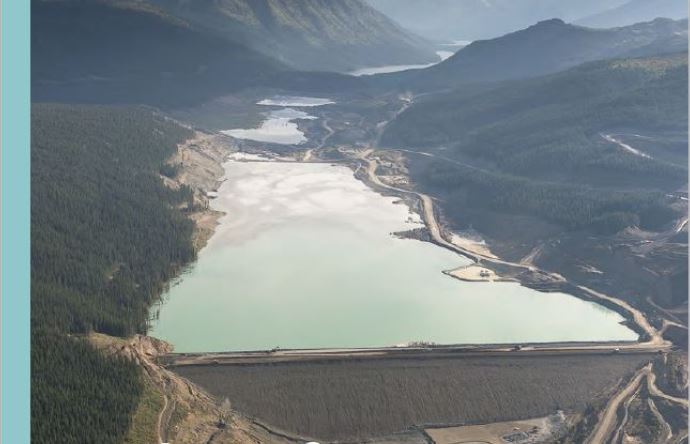
B.C. needs to act quickly to prevent future mine-tailings disasters

Loretta Williams, chairwoman of First Nations Women Advocating Responsible Mining and Calvin Sandborn, QC, legal director of the Environmental Law Centre at the University of Victoria call on Premier John Horgan to act now to protect the workers and communities below tailings dams.

Photo Credit: Jonathan Hayward / The Canadian Press.

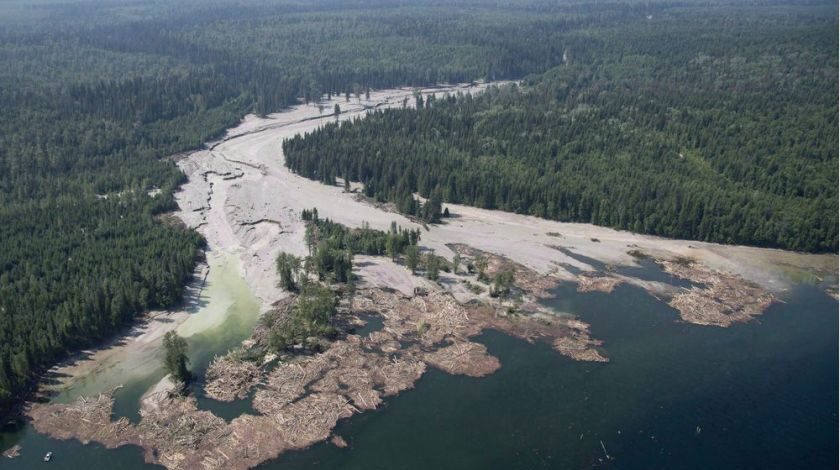
About five years ago, both B.C. and Brazil got dramatic warnings of the danger that tailings dams pose. In 2014, the Mount Polley mine dam collapsed, creating one of Canada’s most epic environmental disasters. Only 15 months later, a tailings dam in Mariana, Brazil, collapsed, wiping out a neighbourhood, killing 19 and poisoning a vast watershed. Fish literally leaped out of the river to flap on the banks, trying to escape lethal effluent.

Read full article >

READ MORE
South America

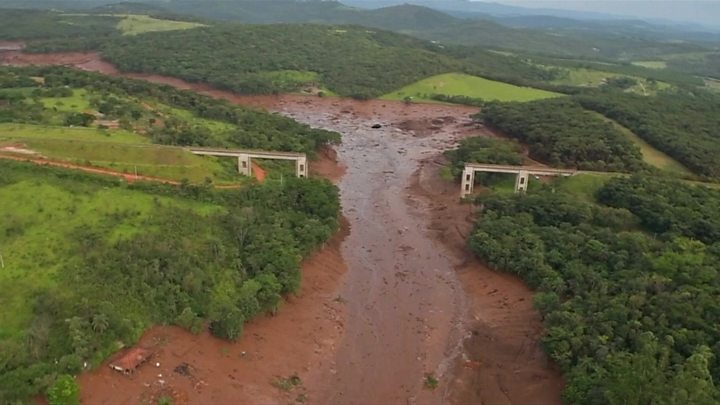
Catastrophic spill from mining dam threatens thousands of lives

“Vale’s Brumadinho mining waste dam failure is all the more tragic because the mining industry knows how to prevent them, yet failed to act.” — Payal Sampat, Earthworks.

Photo Credit: BBC.

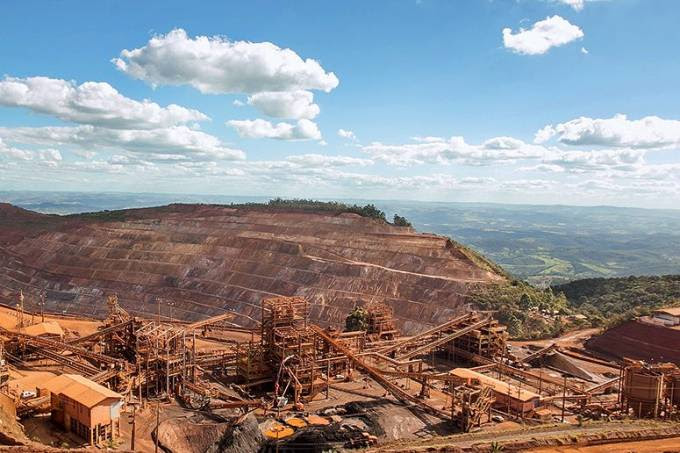
The Independent Catholic News reports that:  Hundreds of people are missing, 37 people have been confirmed dead and more than 24,000 people have been evacuated from the Brazilian town hit by a deadly mudslide unleashed by a ruptured mining dam, as rains raised fears a second dam could collapse. . .

Payal Sampat, the Mining Director of our US counterpart organisation, Earthworks, said: “Vale’s Brumadinho mining waste dam failure is all the more tragic because the mining industry knows how to prevent them, yet failed to act. 200 people are missing and some presumed dead because Vale and the rest of global mining industry haven’t adopted the Mount Polley Independent Expert Panel’s recommendations made in response to a similar catastrophic mining waste dam failure in 2014. These recommendations have been globally recognized, including by the United Nations Environment Programme’s 2017 assessment of tailings dams failures, and by the multi-sector Initiative for Responsible Mining Assurance standard. Until these recommendations are adopted and independently verified, preventable mining disasters will continue to occur wherever the mining industry operates.

Read full article >

READ MORE
Blog

WWF Calls on Corporates to Implement Credible Mining Certification

WWF Germany recently published a report, Boom in Raw Materials: Between Profits and Losses, which offers one of the first concrete rebuttals from a major environmental group against the notion that industry actions alone are enough to move the global industrial mining sector towards greater responsibility.

Overall the report says companies need to take the following actions:

  • Identify their risks and impacts related to mining and metals, and seek strategies with a range of stakeholders including NGOs.
  • Demand supply chain due diligence from their suppliers to uphold credible mining standards.
  • Implement credible certification at the mine site level.

In the sections of the report calling for corporate action, the authors point primarily to the Initiative for Responsible Mining Assurance (IRMA) as a credible, multi-stakeholder-driven option for assurance of more responsible industrial mining at the mine site level. . . IRMA was cited throughout the report as it is the only current certification system that offers a comprehensive standard offering one-stop coverage of the full range of environmental and social issues related to the impacts of industrial-scale mines.

Read full article >

READ MORE