rare earths

Mining

China, e-silk roads and a plea for change

The EV revolution is in its infancy, but it is gaining traction, and its minerals, whatever they are, will have to be mined responsibly.  

Author, John Harker


What if China, the EU, and North America co-operated to undertake a major survey of Responsible Mining and Rare-Earths? A survey in which major mining houses such as BHP, Glencore, and Anglo-American would have much to offer, especially as they are increasing or refining their own focus on “battery” minerals.

In fact, their involvement is key. They know the ups and downs in mining as the EV revolution unfolds. A year ago, Ivan Glasenberg, the CEO of Glencore, stressed that his company has “a key role to play in enabling the transition to a low-carbon economy”. This is true, but the company has seen its profits drop due in large part to its “battery minerals” business.

Anglo-American is the world’s largest supplier of platinum and palladium, which are essential to the smooth running of cars fueled by Petrol/Gas, and the company is now intent on developing a lithium battery which will use the platinum-group metals instead of cobalt and nickel.

The great mining houses are among the companies which created the Initiative for Responsible Mining Assurance, a body which would also be a source of strength for any such survey.

Read the full article on Mining.com >

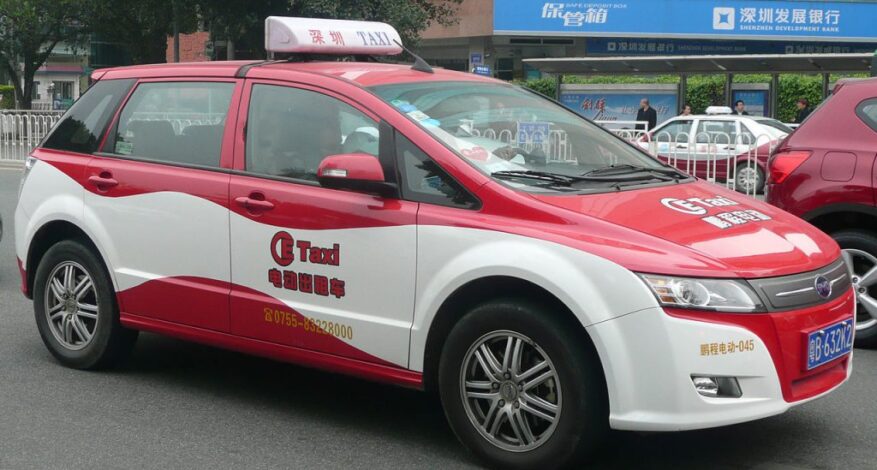
Photo credit: Electric taxi in Shenzhen, China. (Image: Brücke-Osteuropa | Wikimedia Commons.)

READ MORE
Purchasers

Are There Potential Downsides of Going to 100 Percent Renewable Energy?

A new study looks at the danger to biodiversity that could come from increased mining of minerals used to create batteries for renewable energy technologies . . . EV and battery industry are urged to source from IRMA-certified mines.

Until recycled materials become a feasible alternative to mining, the researchers say, the industry will continue to mine new materials to meet the growing needs of the energy sector, and renewable energy companies will be on the hook for ensuring that their emissions-free technologies aren’t causing potentially irreversible environmental degradation.

“[The] best practice is to source metals through verified high-bar standards/certification schemes (such as the Initiative for Responsible Mining Assurance) [rather than through] industry self-monitoring,” said report co-author Dominish.

According to the report summary, the EV and battery industries urgently need to take action to ensure sustainability in their supply chains, particularly for the sourcing of lithium, cobalt, and rare earth metals.

Access the full article in the Pacific Standard.


READ MORE