
Mining Affected Communities United in Action

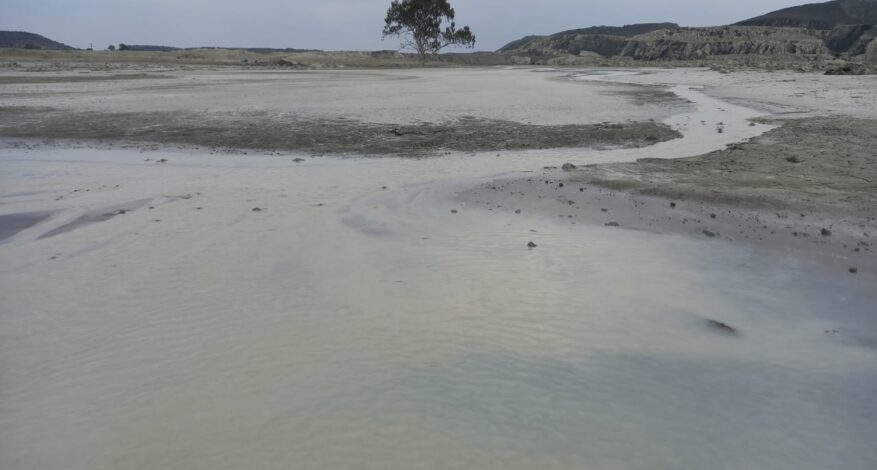
Lonely tree after the Jagersfontein mine tailings spill. Credit: MACUALonely tree after the Jagersfontein mine tailings spill. Credit: MACUAAfrica

What will we learn from another mine waste tragedy?

(Note: this blog appeared in the Sep 22, 2022 IRMA newsletter)

On September 11 in South Africa about 500km southwest of Johannesburg, the tailings dam failed at the Jagersfontein mine waste impoundment. Three people were killed, four more are still missing, and 40 were hospitalized.

This is a tragedy, and all the more so because it was predictable.

IRMA Board member Meshack Mbangula of Mining Affected Communities United in Action and other MACUA leaders are currently in the region, gathering the perspectives of communities. Meshack shares that some are still without water, electricity, sewage management, and with road blockages limiting children’s access to school.

From the world’s repeated recent experience with mine waste disasters, we know that poor tailings facility designs, aging facilities, and increasing frequency of extreme weather associated with climate change will combine to cause more mine waste tragedies around the world for communities living near mining operations.

We can act to minimize that threat. We join with others asking three questions:

  1. How can we prevent the construction of new mining waste facilities with this type of risk to fail?
  2. How can we provide sufficient funds for communities and governments to protect public safety from these mine waste risks even when mine ownership changes?
  3. The unbelievably difficult question of how to put protection of human life first at the thousands of places around the world where these dams already exist?
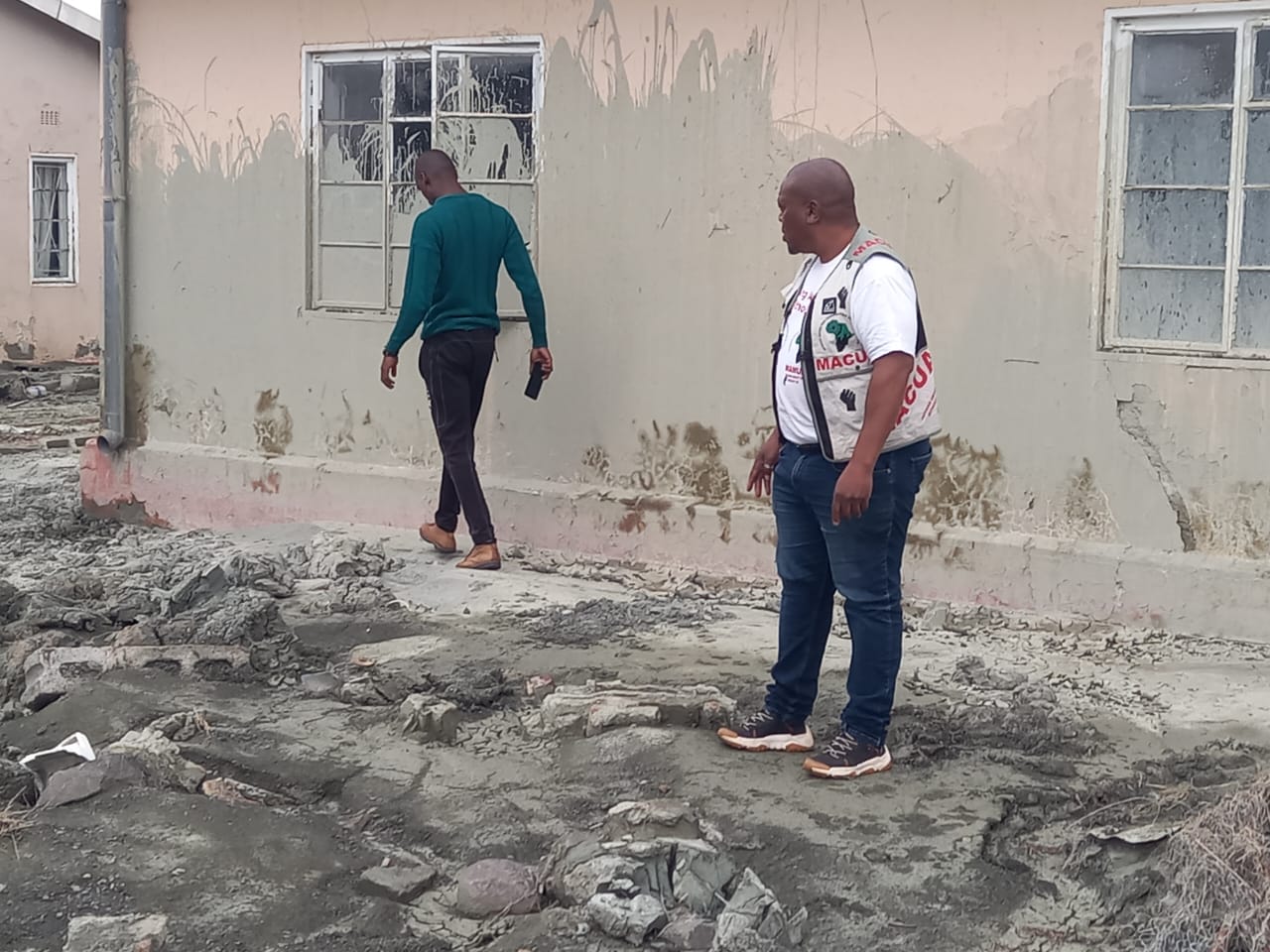
Meshack Mbangula of MACUA and IRMA's board, witnessing the Jagersfontein tailings spill aftermath. Credit: MACUA
Meshack Mbangula of Mining Affected Communities United in Action and IRMA board member, witnessing the Jagersfontein tailings spill aftermath. Credit: MACUA

The disaster, and reports of years of community effort to raise concern and attention to the risks, shows the importance of ongoing community involvement in addressing a mine’s impacts – for as long as the mine’s impacts exist.

IRMA’s Standard for Responsible Mining seeks to address these issues in not only our chapter on waste management, but also chapters on emergency preparedness and responseprotecting water resourcesstakeholder engagement, and reclamation, closure and financial assurance.  Learning from this experience will inform the update of how diverse stakeholders together define “best practices” in the IRMA Standard, due out in 2023.

READ MORE
Communities

A Call for Urgent Support for S. African Communities Facing Covid-19

The majority of our communities live in desperate poverty and the Covid-19 Lock Down is set to multiply the misery experienced by so many South Africans…

Mining Affected Communities United in Action (MACUA) and
Women Affected by Mining United in Action (WAMUA)

We reach out to you during these critical times for your urgent assistance to support those who will face the coming shutdown without the safety net enjoyed by some.

South Africa has roughly 58 million people living in 17 million households. About 1000 households are added to this number every day. South Africa has a very high number of young people – almost half of its population is under 24.

If we divide the country by household income (that is, all the earners in the household combined), then 7 million would fall into the category of middle class and above. That means 50 million people are living in households below the level needed to support a middle-class lifestyle. These 50 million people are likely to be using public transport and public health care and living with very little financial margin.

As one goes into the ultra-poor and survivor category, households regularly run out of food before the end of the month. A hallmark of living in this kind of household is a dependence on social grant income and a food shortage by the third week of the month. In addition, most poorer households live at least one taxi ride away from the closest supermarket and pay for extra seats on the taxi if purchasing more than a few bags of groceries.

In short, the majority of our communities live in desperate poverty and the Covid-19 Lock Down is set to multiply the misery experienced by so many South Africans.

As MACUA/WAMUA, we have undertaken to use our branch network to run soup kitchens in support of the most vulnerable in our communities along the following lines:

  • We have already been in contact with the Presidency around obtaining clarity on essential services and whether local support groups will fall under essential services.
  • We will also ensure that our volunteers are fully aware of the protective measures that they need to take, and we will monitor activities and outcomes through our regular reporting structures, WhatsApp groups and online meetings.
  • Volunteers will wear distinctive clothing and we will provide letters to all volunteers explaining their role and work.
  • We currently have 20 branches throughout the country, mostly in rural areas where poverty is at its worst, and we hope to provide each branch with regular funding support to run soup kitchens at least twice a week for at least the next 3 months.

Donate online, through the MACUA website

Or send a donation to:

MACUA/WAMUA Advice Office (MWAO)
First National Bank (FNB)
Account Number: 62805769893
Branch Code: 250655

All donations are tax deductible:
Registered in South Africa as MACUA/WAMUA ADVICE OFFICE under the Non-Profit Organisations Act, 1997 (ACT 71 OF 1997)
Registration number 228-294 NPO
MACUA WAMUA NPC 2019/360083/08

For more information contact:
Meshack Mbangula, MACUA National Coordinator, mbangulam@gmail.com

READ MORE