Communities

Communities

Bridging the Gap: How IRMA Helped Rebuild Trust Between Mine and Community

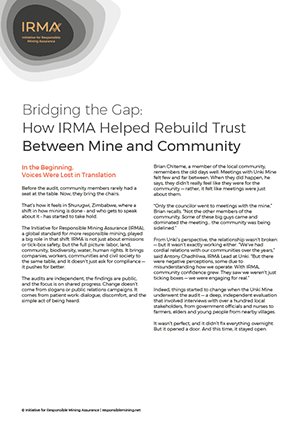
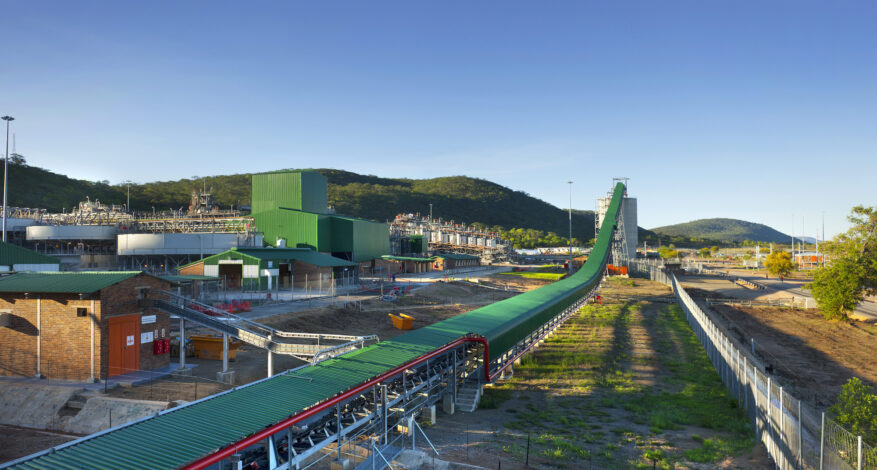
Cover of Unki Case StudyEarlier in 2025, IRMA published a case study of the IRMA audit of the Unki mine in Shurugwi, Zimbabwe: Bridging the Gap: How IRMA Helped Rebuild Trust Between Mine and Community, excerpted below.

In the Beginning, Voices Were Lost in Translation

Before the audit, community members rarely had a seat at the table. Now, they bring the chairs.

That’s how it feels in Shurugwi, Zimbabwe, where a shift in how mining is done – and who gets to speak about it – has started to take hold.

The Initiative for Responsible Mining Assurance (IRMA), a global standard for more responsible mining, played a big role in that shift. IRMA is not just about emissions or tick-box safety, but the full picture: labor, land, community, biodiversity, water, human rights. It brings companies, workers, communities and civil society to the same table, and it doesn’t just ask for compliance — it pushes for better.

The audits are independent, the findings are public, and the focus is on shared progress. Change doesn’t come from slogans or public relations campaigns. It comes from patient work: dialogue, discomfort, and the simple act of being heard.

Read the rest of the Unki case study.

READ MORE
Credit: Creazilla, published under Creazilla Open LicenseCredit: Creazilla, published under Creazilla Open LicenseBlog

How IRMA Benefits Affected Communities

A new resource for mining affected communities is now available.

Thumbnail of How IRMA Benefits Affected CommunitiesMining-affected communities are the often-forgotten voice among mining stakeholders. But their voice is essential in creating a responsible mining future in the face of increased demand for more mined materials. The Initiative for Responsible Mining Assurance (IRMA) offers a solution to that problem. IRMA was founded on the belief that every individual impacted by mining should have a say in how responsible mining is defined and measured. By convening experts, advocates, and industry leaders across six key sectors, we have developed an independent, best-practice standard for responsible mining, as well as a transparent process for assessing mine performance against that standard.

Learn how IRMA Benefits Affected Communities Mining Affected Communities


READ MORE
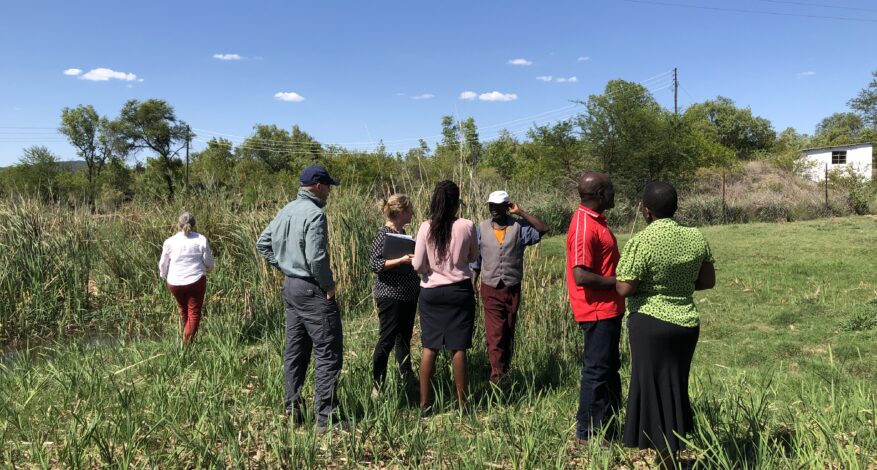
At the Unki audit. Credit: Michelle SmithAt the Unki audit. Credit: Michelle SmithBlog

Community perspectives on IRMA: The Unki Mine audit

In late June the Zimbabwe Environmental Law Association (ZELA, an IRMA member) published Community success stories: Tracking service delivery and environmental issuesa blog explaining the Shurugwi Development Trust’s experiences with the independent audit of Anglo American’s Unki platinum group metals mine in Zimbabwe. We excerpt it below:

Through meetings facilitated by the Zimbabwe Environmental Law Association (ZELA), Unki mine embarked on a third party-audit process against the IRMA standard in 2019 that involved the Shurugwi community, [achieved] IRMA 75 in the audit report. In 2022, a surveillance audit for Unki Mine was done, communities shared their concerns with the audit firm SCS Global. This was after the mine publicly audited against the Initiative for Responsible Mining Assurance (IRMA) [voluntary] standard for Responsible Mining in 2019.

ZELA, which is the only Zimbabwean member of the IRMA Civil Society Organisations global working group on worker and community engagement rights participated in development of data collection tools for communities such as the Community impact survey, IRMA Audits and Communities, sample letter to mining company, tools that can be used to monitor service delivery, engage with mining companies and government. The IRMA processes have enhanced Unki Mine’s relationship with the community, through the community engagement forum which meets quarterly to discuss the company’s mining operations in the community.

Benefits of the Unki IRMA processes and audit to the Shurugwi Community

  • There is now great improvement in the relationship and trust between the company and the community.
  • There is now an active quarterly community engagement forum meeting where 2 people were selected from each of the surrounding villages to represent the community. The relationship is promoting access to information which is enshrined in Section 62 of the Constitution of Zimbabwe.
  • In addition to the Community Engagement Forum, there is an emergency and response Coordinator which includes village chairpersons.
  • The IRMA audit report is a source of information, assists in identifying gaps and strengths to improve our engagements with government through evidence gathering on mining operations and their impact on communities’ wellbeing, rights and the environment.
  • The IRMA audit reports assist us in carrying out our advocacy work and provides us with information to participate in national, regional and international dialogues such as Alternative Mining Indaba.
  • Unki mine funded 4 partners – Technoserve, World vision, Zvandiri and Apostolic Women Empowerment Trust (AWET) – to implement community development projects.
  • The company is capacitating women with knowledge on their health and empowering them to stand for their rights. It also encourages women in the apostolic sect to register and go for hospital deliveries.  In support, AWET also trains behavior change facilitators (BCFs) on safe motherhood.
  • Unki mine promoted hygiene in the community, building Double Blair Ventilated Improved Pit Latrines in ward 19 and part of ward 18 (now ward 4).
READ MORE
Listening to CommunitiesListening to CommunitiesAudits

Audit Community Engagement Learnings

For companies that depend on mined materials to make their products, any assessment of supply chain impacts must include a focus on the point where minerals are extracted from the earth.

There are various tools companies can use to better understand impacts at the point of extraction, including assessment of a specific mine’s performance against an established standard for responsible mining. The value of such an assessment depends on the quality of the standard and on the rigor and independence of the actual audit process. Among the diverse ways auditors assess a mine’s environmental and social impacts, one of the most crucial is direct engagement of communities and Indigenous rights holders.

Community members should have the opportunity to ask questions, to express concerns or outright opposition, and to learn firsthand how a mining company intends to address their needs and share the long-term benefits. People everywhere want a say in decisions that will shape their lives and they rightly expect their voices to be heard.

Over the past several years, as we’ve overseen an increasing number of independent audits, we’ve been exploring various approaches to better include communities living near mines in the process. We’re doing a great deal of testing and learning along the way, making small refinements and a few major course corrections, guided by insights from the six diverse constituencies who govern our initiative.

Supporting us in this effort is Mercedes-Benz Group AG, an IRMA member since 2020.

In 2022, Mercedes-Benz provided funding for IRMA to enhance and further explore how best to engage with mining communities. By implementing new practices and experimenting with alternative approaches to the auditing process, we’ve found ways to improve the community engagement already built into IRMA’s audit process.

The result of our collaboration is this report. It will guide our own practices as we continue to improve and, we hope, illustrate to all purchasers of mined materials — as well as mining companies, investors, regulators, other standards systems, NGOs and, of course, affected communities — how assessments in the industry might be strengthened, ultimately accelerating our common aim: to protect human rights and make mining more responsible.

READ MORE
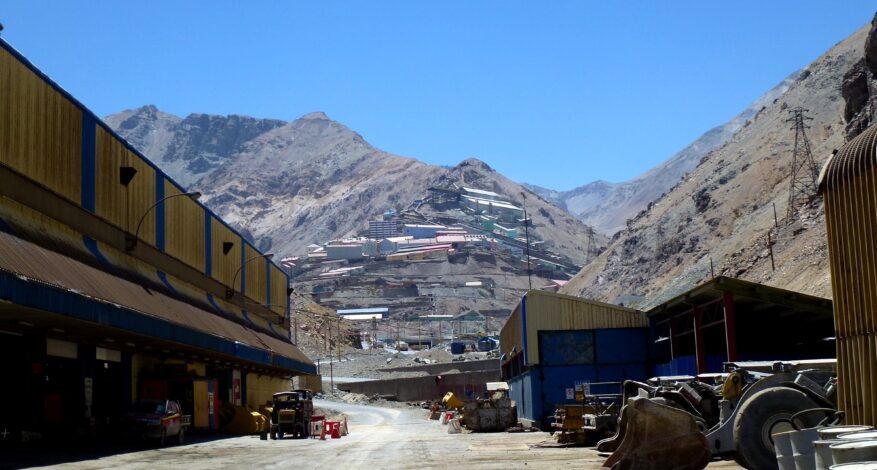
Sewell, Chile Attribution: Hiroki OgawaSewell, Chile Attribution: Hiroki OgawaAudits

IRMA response to civil society groups’ greenwashing concerns

1 Oct note: this blog has been edited since it was originally published to add IRMA’s position on “certification” and to increase clarity

An acknowledgment

IRMA acknowledges the continuing frustrations and important concerns raised in a statement by a network of civil society groups in relation to voluntary initiatives and certification systems, and specifically critique of the IRMA Standard for Responsible Mining and its associated independent audit system. We hear loud and clear their concerns that the Standard’s verification and achievement levels, and even participating in the audit process, could enable what some affected communities see as “greenwashing” the impacts of large-scale extraction. While we respond here to the concerns raised, we will respect request of groups in this network to not be named in our response.

IRMA’s Standards seek to reflect the perspectives of all stakeholders and Indigenous rightsholders using an equal, multi-stakeholder governance model. We actively seek out and encourage diverse perspectives from civil society actors as evident through the composition of working groups that aim to ensure that IRMA equally represents all concerned with the impacts of mining and the need to reduce harm. Some in civil society will find use in IRMA’s tools to make mining projects better, reducing negative impacts and increasing benefit sharing, others may reference IRMA’s definition of best practices when resisting mining in a place where Indigenous rights holders and others affected believe the risks and losses are too great. IRMA’s Standards reflect the principles of international conventions such as ILO 169 and the United Nations Decrlation on the Rights of Indigenous Peoples, and also the International Finance Corporation’s expectations that companies demonstrate they have achieved “broad community support” where they do business.

Not a replacement for government oversight

IRMA is a voluntary initiative intended to be used as a tool to offer transparency and accessibility to independently verified information of a mine site’s performance. It is not intended to replace or interfere with government oversight. We agree that no voluntary initiative has enforcement power to hold mining companies financially or legally accountable for infractions. IRMA’s independent audits are meant to provide unprecedented transparency and information about individual mining operations that affected stakeholders and rightsholders can use to demand better mining practices. This also offers opportunity for diverse sectors to differentiate and create greater value for mining companies who reduce harm, increasingly adopt best practices and more equitably share benefits with host communities.

IRMA doesn’t certify

It is important to note that IRMA is not a “certification” system. Although many voluntary standard systems do assign a stamp of approval, IRMA does not. We create and maintain a best-practice mining Standard, and through independent auditing, we report how a mining operation performs against that Standard. An IRMA 50 or 75 isn’t a stamp of approval. Rather, it’s insight into how an independent audit firm decided that the mine scored no lower than either 50% or 75% in the 4 IRMA principles: environmental and social responsibility, business integrity, and leaving positive legacies. Information is power, and power to positively change how mining is done. IRMA is dedicated to ensuring all those affected by mining have the information they need to make informed decisions about the mining that affects them.

Funding

Many voluntary standard systems related to mining are governed and primarily funded by private entities or industry trade associations. Civil society organizations have expressed concern that the motives of mining trade associations may appear in conflict with those whose highest priority is avoiding or minimizing mining’s negative impacts. We seek opportunities to collaborate with mining trade associations as they offer powerful potential to support their members to improve practices – and IRMA will maintain its fundamental commitment to equal governance by affected communities, labor unions, and NGOs working alongside private sector leaders. IRMA’s funding structure does include income from private sector membership fees and special project grants. However, over 50% of our funding is from philanthropic organizations that are passionate about climate justice and an equitable energy transition, including but not limited to the Ford Foundation, Climateworks Foundation, 11th Hour Project and Waverley Street Foundation.

Audits and audit firms

The network’s statement criticizes voluntary initiatives for not requiring surprise/unscheduled audits, expressing concern that mine sites can prepare in advance to clean-up or hide negative aspects of their operations. Auditor firms trained and approved by IRMA conduct an extensive review of documentation (including but not limited to records of site photos and digital files) to make informed decisions regarding compliance with standard requirements. IRMA is the only mining standard that requires public notice of audits before they begin – so that any Indigenous rights holder or other stakeholder may have direct access to auditors, to share their perspectives and concerns. Auditors reach out to stakeholders though various means to hear diverse perspectives, including online comment forms and social media (including WhatsApp), radio announcements, flyers and word of mouth individual outreach. IRMA staff also work to spread the word, including in-person conversations with workers, local community members, and NGO allied organizations.

IRMA acknowledges and shares the concerns regarding the expertise and impartiality of auditors and the auditing companies that employ them. As mentioned in the network’s statement, the reality is that most auditors for the mining sector, to date, have historically been accustomed to assessing mine sites against industry-led initiatives and standards. Affiliates of auditing companies have at times also served mining company clients either directly or indirectly through other means such as technical consulting services. IRMA requires its approved audit firms to follow conflict of interest rules, meet technical and expertise criteria, and draft audit reports are reviewed by IRMA’s Director of Assurance prior to finalization. The first 15 initial audits against the IRMA Standard for Responsible Mining have served and are serving both the IRMA Secretariat and Board, and the audit firms with whom we work, an opportunity to listen, learn and identify ways to improve the process for training of auditors, clarifying requirements in the Standard and improving civil society engagement in the audit process.

Improvement is for IRMA too, not just mining operations

The IRMA Secretariat and Board of Directors appreciate the recommendations from organizations that are critical of voluntary initiatives, and we commit to a practice of continually improving the IRMA system to build the trust, value and confidence for everyone who uses the system. IRMA is currently in the process of acting on civil society recommendations to improve methods for communicating audit report results and accessibility to IRMA’s Issues Resolution System.

IRMA’s approach to supporting more responsible mining encompasses the need to have mining operations be measured against best practices as assessed through the 400+ requirements of the standard. By supporting civil society participation in audits, we work to amplify the right of Indigenous rights holders and other stakeholders who say “No” to a mining operation, and to those who seek reduction of harm, increased access to information, improved benefits sharing and elevating their perspectives at an international level. IRMA firmly believes that through constructive dialogue with all IRMA can be a tool that encourages change that is equitable and inclusive of all perspectives in relation to mining.

READ MORE
Communities

A Call for Urgent Support for S. African Communities Facing Covid-19

The majority of our communities live in desperate poverty and the Covid-19 Lock Down is set to multiply the misery experienced by so many South Africans…

Mining Affected Communities United in Action (MACUA) and
Women Affected by Mining United in Action (WAMUA)

We reach out to you during these critical times for your urgent assistance to support those who will face the coming shutdown without the safety net enjoyed by some.

South Africa has roughly 58 million people living in 17 million households. About 1000 households are added to this number every day. South Africa has a very high number of young people – almost half of its population is under 24.

If we divide the country by household income (that is, all the earners in the household combined), then 7 million would fall into the category of middle class and above. That means 50 million people are living in households below the level needed to support a middle-class lifestyle. These 50 million people are likely to be using public transport and public health care and living with very little financial margin.

As one goes into the ultra-poor and survivor category, households regularly run out of food before the end of the month. A hallmark of living in this kind of household is a dependence on social grant income and a food shortage by the third week of the month. In addition, most poorer households live at least one taxi ride away from the closest supermarket and pay for extra seats on the taxi if purchasing more than a few bags of groceries.

In short, the majority of our communities live in desperate poverty and the Covid-19 Lock Down is set to multiply the misery experienced by so many South Africans.

As MACUA/WAMUA, we have undertaken to use our branch network to run soup kitchens in support of the most vulnerable in our communities along the following lines:

  • We have already been in contact with the Presidency around obtaining clarity on essential services and whether local support groups will fall under essential services.
  • We will also ensure that our volunteers are fully aware of the protective measures that they need to take, and we will monitor activities and outcomes through our regular reporting structures, WhatsApp groups and online meetings.
  • Volunteers will wear distinctive clothing and we will provide letters to all volunteers explaining their role and work.
  • We currently have 20 branches throughout the country, mostly in rural areas where poverty is at its worst, and we hope to provide each branch with regular funding support to run soup kitchens at least twice a week for at least the next 3 months.

Donate online, through the MACUA website

Or send a donation to:

MACUA/WAMUA Advice Office (MWAO)
First National Bank (FNB)
Account Number: 62805769893
Branch Code: 250655

All donations are tax deductible:
Registered in South Africa as MACUA/WAMUA ADVICE OFFICE under the Non-Profit Organisations Act, 1997 (ACT 71 OF 1997)
Registration number 228-294 NPO
MACUA WAMUA NPC 2019/360083/08

For more information contact:
Meshack Mbangula, MACUA National Coordinator, mbangulam@gmail.com

READ MORE
North America

B.C. needs to act quickly to prevent future mine-tailings disasters

Loretta Williams, chairwoman of First Nations Women Advocating Responsible Mining and Calvin Sandborn, QC, legal director of the Environmental Law Centre at the University of Victoria call on Premier John Horgan to act now to protect the workers and communities below tailings dams.

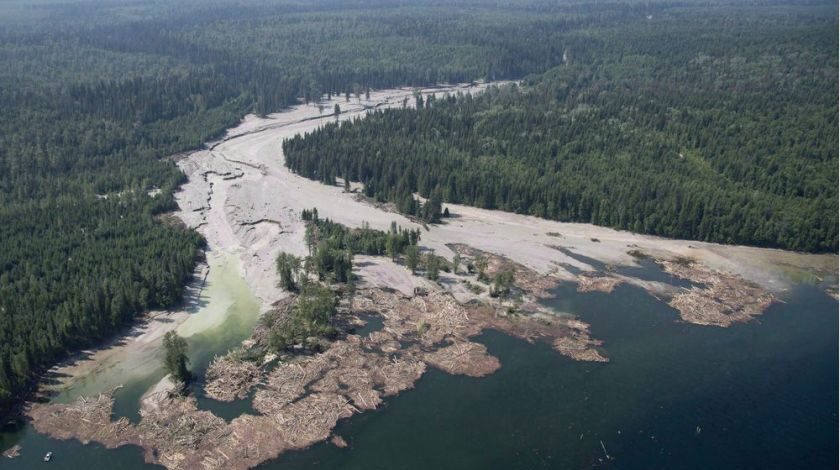
Photo Credit: Jonathan Hayward / The Canadian Press.

About five years ago, both B.C. and Brazil got dramatic warnings of the danger that tailings dams pose. In 2014, the Mount Polley mine dam collapsed, creating one of Canada’s most epic environmental disasters. Only 15 months later, a tailings dam in Mariana, Brazil, collapsed, wiping out a neighbourhood, killing 19 and poisoning a vast watershed. Fish literally leaped out of the river to flap on the banks, trying to escape lethal effluent.

Read full article >

READ MORE