iron ore

ResponsibleSteel Just Transition report coverResponsibleSteel Just Transition report coverStandard

Going beyond decarbonization: Key insights into delivering a just transition for steel and mining sectors

Joint effort to understand and promote just transitions in the mining and steel industries

As the global decarbonization effort has advanced, actors in the mining and steel sectors are under pressure to transform production processes, supply chains, and energy systems to meet climate goals. But alongside these changes lies an essential question: how do we ensure that the transition to a low-carbon economy is fair for the workers, communities, and regions that depend on these industries?

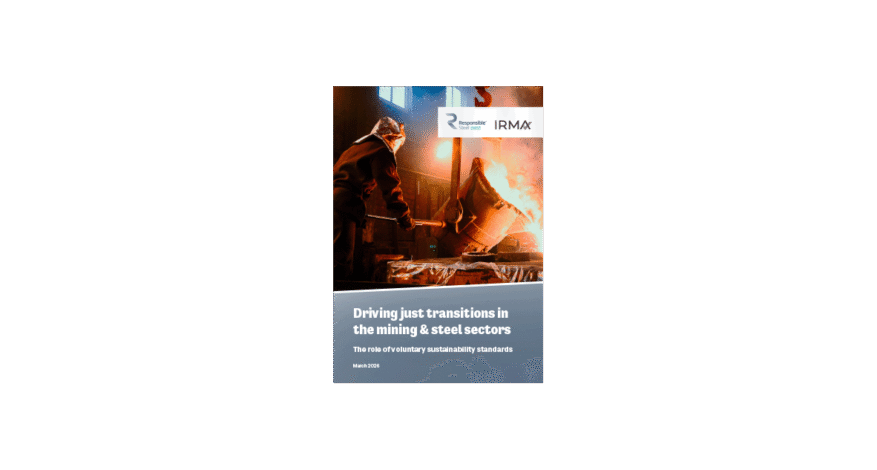
Earlier in March IRMA and ResponsibleSteel published a landmark report: Driving just transitions in the mining & steel sectors: The role of voluntary sustainability standards that tackles this question. From that work we developed insights and key learnings from stakeholders:

Put People at the Center of the Transition Process

One of the strongest and most consistent key messages from the project and stakeholder engagement was the need to keep people at the centre of transition processes. Decarbonization is often discussed in terms of technology, emissions targets, and industrial transformation. Yet transitions also reshape livelihoods, local economies, and social structures.

The report underscores that strong and inclusive planning is essential to avoid leaving workers and affected communities behind. Throughout the project, stakeholders repeatedly highlighted the importance of ensuring that transitions must not only be fast, but fair. Workers, Indigenous peoples, and affected communities must have a meaningful voice in decisions that shape their futures.

This reinforced an important insight: “just transition is not only about managing economic change. It is also about justice, rights, and participation.”

The Power of Social Dialogue

Another key learning from the project was the central role of social dialogue. Across interviews and workshops, participants emphasized the need for ongoing engagement between workers, communities, companies, governments, and other stakeholders.

Early and inclusive dialogue is particularly critical when major changes are being planned, such as mine closures, technological shifts, or new supply chains. As one stakeholder reflected during the project,

Social dialogue is therefore not simply a consultation exercise. It involves sharing information, building capacity among stakeholders, and creating spaces where different perspectives can meaningfully shape decisions.

Voluntary sustainability standards can play an important role by creating frameworks that encourage transparency, accountability, and structured engagement.

One of the central questions of the project was how standards systems such as ResponsibleSteel and IRMA can contribute to just transitions in practice.

The Just Transition Framework for Voluntary Sustainability Standards

The focus of this project was the question of how VSSs such as ResponsibleSteel and IRMA can best contribute to driving just transitions in practice.

The project confirmed that many elements of existing standards already address issues relevant to just transition, including human rights due diligence, occupational health and safety, grievance mechanisms, and environmental management. At the same time, the project highlighted areas where further development may be needed. These include supporting worker retraining and skills development, strengthening value-chain-wide due diligence, and ensuring equitable access to the benefits of the low-carbon transition.

To help understand and identify the key elements for a just transition, the project undertook a literature review, mapping exercises of existing standards, key informant interviews, and two in-person workshops. Each activity provided valuable insights and information, which together formed the foundation of a framework that defines principles related to human rights, social equity, inclusive governance, and protections for workers and communities.

Significantly, the framework is not intended to be prescriptive or define minimum requirements. Instead, it serves as a reference point to help VSSs integrate just transition considerations in a way that reflects and is shaped by the realities of each region, industry, and community.

The Value of Collaboration

Transitions in mining and steel do not happen in isolation. They unfold across interconnected supply chains, regulatory systems, and communities. As a result, no single actor can drive meaningful progress alone.

Achieving a just transition requires coordination between many different actors, including companies, workers and unions, governments, civil society, investors, and standards systems. Collaboration between standards organisations themselves can also play an important role by aligning approaches, sharing knowledge, and creating stronger incentives for responsible practices across industries.

The concept of just transition continues to evolve. While there is growing recognition of its importance across governments, industries, and civil society, there is still uncertainty about what implementation looks like in practice and what responsibilities different actors should carry.

This project represents a strong joint effort with key stakeholders and an important step toward understanding how voluntary sustainability standards can contribute to that conversation.

Achieving just transitions will require sustained commitment, continuous learning, and inclusive engagement. Standards alone cannot deliver just transitions, but they can provide practical tools and shared frameworks that help stakeholders navigate complex transitions.

For ResponsibleSteel and IRMA, this work reaffirms our shared commitment to ensuring that the transformation of heavy industries supports not only climate goals, but also fairness, dignity, and opportunity for the workers and communities most affected by change.

This project was made possible thanks to a grant from the ISEAL Innovations Fund, which is supported by the Federal Department of Economic Affairs, Education and Research EAER State Secretariat for Economic Affairs SECO and UK International Development.
READ MORE
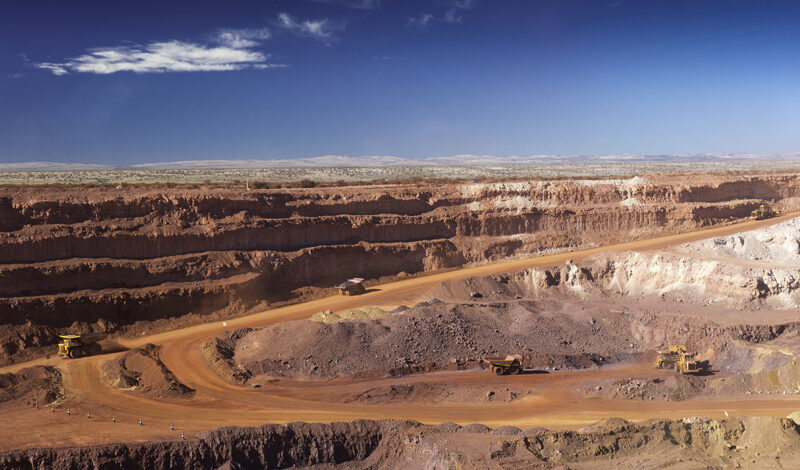
Leeufontein pit at Kolomela Iron Ore Mine. Credit: Anglo American KumbaLeeufontein pit at Kolomela Iron Ore Mine. Credit: Anglo American KumbaAudits

Anglo American’s Kolomela Iron Mine Completes IRMA Surveillance Audit

On 13 March 2026 the Initiative for Responsible Mining (IRMA) released the surveillance audit report of Anglo American’s Kolomela iron ore mine, located near Kathu in South Africa’s Northern Cape province. IRMA-approved audit firm ERM CVS conducted the audit and assessed the progress made on the corrective action plan that the operation committed to in the initial audit report.

IRMA’s independent assessment cycle occurs in 3 stages: (1) initial audit, (2) surveillance audit, and (3) reassessment audit. Mines in the IRMA system must undergo a surveillance audit during each 3-year audit cycle, and this audit must occur between 12 and 18 months after an initial audit report has been publicly released. Surveillance audits are not full audits, meaning that conformance with all requirements reviewed in the initial audit does not need to be re-established. Typically, during a surveillance audit the audit team verifies that the mine’s systems and controls are still in place and are functioning effectively, that no major changes have occurred since the initial audit that negatively affect the mine’s performance. The surveillance audit includes confidential interviews with workers and engagement with Indigenous rightsholders and community stakeholders. The initial and surveillance IRMA audit reports for the operation are available on the Kolomela audit page on the IRMA website.

IRMA audits are important steps in deepening dialogue between mining companies and those affected by their operations. The independent IRMA system is the only global mining standard that provides equal power to the public sector (communities and Indigenous rights holders, mine workers, and environmental and human rights advocates) alongside the private sector (mining companies, mined materials purchasers and investors).

For More Information:

READ MORE
Sishen Mine. Credit: Anglo American KumbaSishen Mine. Credit: Anglo American KumbaAudits

Anglo American’s Sishen Iron Mine Completes IRMA Surveillance Audit

On 12 March 2026 the Initiative for Responsible Mining (IRMA) released the surveillance audit report of Anglo American’s Sishen iron ore mine, located near Kathu in South Africa’s Northern Cape province. IRMA-approved audit firm ERM CVS conducted the audit and assessed the progress made on the corrective action plan that the operation committed to in the initial audit report.

IRMA’s independent assessment cycle occurs in 3 stages: (1) initial audit, (2) surveillance audit, and (3) reassessment audit. Mines in the IRMA system must undergo a surveillance audit during each 3-year audit cycle, and this audit must occur between 12 and 18 months after an initial audit report has been publicly released. Surveillance audits are not full audits, meaning that conformance with all requirements reviewed in the initial audit does not need to be re-established. Typically, during a surveillance audit the audit team verifies that the mine’s systems and controls are still in place and are functioning effectively, that no major changes have occurred since the initial audit that negatively affect the mine’s performance. The surveillance audit includes confidential interviews with workers and engagement with Indigenous rightsholders and community stakeholders. The initial and surveillance IRMA audit reports for the operation are available on the Sishen audit page on the IRMA website.

IRMA audits are important steps in deepening dialogue between mining companies and those affected by their operations. The independent IRMA system is the only global mining standard that provides equal power to the public sector (communities and Indigenous rights holders, mine workers, and environmental and human rights advocates) alongside the private sector (mining companies, mined materials purchasers and investors).

For More Information:

READ MORE
ResponsibleSteel Just Transition report coverResponsibleSteel Just Transition report coverStandard

Report outlines key considerations for a mining and steel just transition

Today, ResponsibleSteel and the Initiative for Responsible Mining Assurance (IRMA) published a landmark report, Driving just transitions in the mining & steel sectors: The role of voluntary sustainability standards, outlining how voluntary sustainability standards (VSSs) can help deliver fair and inclusive transitions as heavy industries globally move to decarbonise. It is the first report of its kind, jointly authored by VSSs from the mining and steel sectors.

Developed by ResponsibleSteel and IRMA, the report demonstrates how collaboration across the supply chain provides the necessary understanding of the challenges and opportunities faced by both sectors to achieve a truly just transition for mining and steel. ‘Driving just transitions in the mining & steel sectors: The role of voluntary sustainability standards’ introduces nine key principles and five recommendations to help VSSs integrate just transition into their frameworks.

The report also reveals a significant gap—despite commitment at both government and corporate levels to just transition principles, implementation remains slow and inconsistent. With mining responsible for up to 10% of global energy-related emissions and steel also accounting for around 10%, accelerating decarbonisation in these sectors is critical. But without deliberate action, workers and communities most affected by these transitions risk being left behind.

ResponsibleSteel CEO, Annie Heaton, commented, “Decarbonisation is one of the most pressing global issues we face today. But if we ignore its social impacts, we risk serious unintended consequences. With around six million people employed in steel and another 20 million in mining—plus millions more in supply chains and communities that depend on these industries—industry must work together with workers, communities and governments to consider how to plan the transition to benefit people as well as the planet.”

Stakeholders involved in the project—including industry leaders, supply chain actors, academia, governments, trade unions, civil society organisations, local communities, and Indigenous groups—emphasised that these transitions must not only be fast, but fair, putting justice at the heart of industrial change.

IRMA Executive Director Aimee Boulanger observed, “This research shows that for voluntary standards to succeed, they must be structured to improve justice and inclusivity as they decarbonise and protect the environment.”

Key findings from the report included:

  • Justice at the centre: Stakeholders recognised the urgent need to decarbonise but stressed that justice must guide transition planning.
  • Inclusive process: The specific definition of “Just Transition” is highly contested, with varying interpretations. Engaging stakeholders is key to effectively defining the transition scope, identifying social impacts, and shaping mitigation actions.
  • Restorative justice challenges: Addressing restorative justice remains complex, requiring deeper collaboration among governments, companies, VSSs, and historically impacted communities.
  • Flexibility: Just transitions will differ across contexts and sectors. Principles must remain adaptable to be effective.

Funded by the ISEAL Innovations Fund with support from the Swiss State Secretariat for Economic Affairs (SECO), the report draws on international principles from the International Labour Organisation (ILO) and the UN Working Group on Human Rights, academic justice theory, interviews with 35 stakeholders, and two in-person workshops held in Brussels and Johannesburg.

This work highlights the unique role VSSs can play in providing practical frameworks for implementation, accountability, and verification, setting a clear reference point for steel and mining companies to plan transitions in a way that is equitable and fair. Both ResponsibleSteel and IRMA will continue to engage with stakeholders to discuss the best way to integrate just transition principles into their respective systems.

Read the full report here.

For More Information

  • Savannah Hayes, Communications Manager, ResponsibleSteel
    communications@responsiblesteel.org│+44 7588 785909
  • Initiative for Responsible Mining Assurance (IRMA)
    info@responsiblemining.net

About ResponsibleSteel
ResponsibleSteel is a global multi-stakeholder standards and certification initiative for the steel industry, committed to being a driving force in the socially and environmentally responsible production of net-zero steel. The ResponsibleSteel International Production Standard is designed to support the responsible sourcing and production of steel through an international system of certification and classification. For more information about ResponsibleSteel, please visit: www.responsiblesteel.org/

About the Initiative for Responsible Mining Assurance (IRMA)
IRMA is a nonprofit organisation working to protect people and the environment directly affected by mining by creating financial value for industrial-scale mining operations independently assessed against IRMA’s best practice Standard for Responsible Mining. For more information, visit: www.responsiblemining.net

READ MORE
Minas-Rio iron ore mine. Credit: Anglo AmericanMinas-Rio iron ore mine. Credit: Anglo AmericanAudits

Mina de ferro Minas Rio da Anglo American conclui auditoria de vigilância IRMA

(english)

Em 20 de janeiro de 2026, a Iniciativa de Asseguração de Mineração Responsável (IRMA) publicou o relatório de auditoria de vigilância da mina de ferro Minas Rio da Anglo American, localizada no estado de Minas Gerais, Brasil. A empresa de auditoria SCS Global Services, aprovada pela IRMA, conduziu a auditoria e avaliou o progresso feito no plano de ação corretiva que a operação se comprometeu a cumprir no relatório de auditoria inicial.

O ciclo de avaliação independente da IRMA ocorre em três etapas: (1) auditoria inicial, (2) auditoria de vigilância e (3) auditoria de reavaliação. As minas no sistema IRMA devem passar por uma auditoria de vigilância durante cada ciclo de auditoria de três anos, e essa auditoria deve ocorrer entre 12 e 18 meses após a divulgação pública do relatório da auditoria inicial. As auditorias de vigilância não são auditorias completas, o que significa que não é necessário restabelecer a conformidade com todos os requisitos analisados na auditoria inicial. Normalmente, durante uma auditoria de vigilância, a equipe de auditoria verifica se os sistemas e controles da mina ainda estão em vigor e funcionando de forma eficaz, e se não ocorreram mudanças significativas desde a auditoria inicial que afetem negativamente o desempenho da mina. A auditoria de vigilância inclui entrevistas confidenciais com trabalhadores e o envolvimento com detentores de direitos indígenas e partes interessadas da comunidade. Os relatórios da auditoria inicial e de vigilância da IRMA para a operação estão disponíveis na página de auditoria da mina Minas Rio no site da IRMA.

Como o Padrão IRMA é reconhecido e adotado em todo o mundo, essas auditorias são etapas importantes em um diálogo mais profundo entre as empresas de mineração e as pessoas afetadas por suas operações. Como o processo IRMA está sempre melhorando com base na experiência da auditoria mais recente, os resultados da auditoria devem ser revisados e interpretados de acordo.

O sistema independente IRMA é o único padrão global de mineração que oferece poder igual ao setor público (comunidades e detentores de direitos indígenas, trabalhadores de minas e defensores dos direitos humanos e ambientais) e ao setor privado (empresas de mineração, compradores de materiais extraídos e investidores).

Para obter mais informações:

READ MORE
Minas-Rio iron ore mine. Credit: Anglo AmericanMinas-Rio iron ore mine. Credit: Anglo AmericanAudits

Anglo American’s Minas-Rio Iron Ore Mine Completes IRMA Surveillance Audit

(português)

On 20 January 2026 – the Initiative for Responsible Mining Assurance (IRMA) released the surveillance audit report of Anglo American’s Minas-Rio iron ore mine, located in Brazil’s state of Minas Gerais. IRMA-approved audit firm SCS Global Services conducted the audit and assessed the progress made on the corrective action plan that the operation committed to in the initial audit report.

IRMA’s independent assessment cycle occurs in 3 stages: (1) initial audit, (2) surveillance audit, and (3) reassessment audit. Mines in the IRMA system must undergo a surveillance audit during each 3-year audit cycle, and this audit must occur between 12 and 18 months after an initial audit report has been publicly released.

Surveillance audits are not full audits, meaning that conformance with all requirements reviewed in the initial audit does not need to be re-established. Typically, during a surveillance audit the audit team verifies that the mine’s systems and controls are still in place and are functioning effectively, that no major changes have occurred since the initial audit that negatively affect the mine’s performance. The surveillance audit includes confidential interviews with workers and engagement with Indigenous rightsholders and community stakeholders. The initial and surveillance IRMA audit reports for the operation are available on the Minas-Rio mine audit page on the IRMA website.

As the IRMA Standard is recognized and adopted around the globe, these audits are important steps in a deepening dialogue between mining companies and those affected by their operations. Because the IRMA process is always improving from the experience of the most recent audit, audit results should be reviewed and interpreted accordingly.

The independent IRMA system is the only global mining standard that provides equal power to the public sector (communities and Indigenous rights holders, mine workers, and environmental and human rights advocates) alongside the private sector (mining companies, mined materials purchasers and investors).

For More Information:

READ MORE
Gerdau logoGerdau logoAudits

Gerdau’s Várzea do Lopes Iron Ore Mine Completes IRMA Audit

Brazilian Mine achieves IRMA Transparency when audited against the world’s only equally governed mining standard

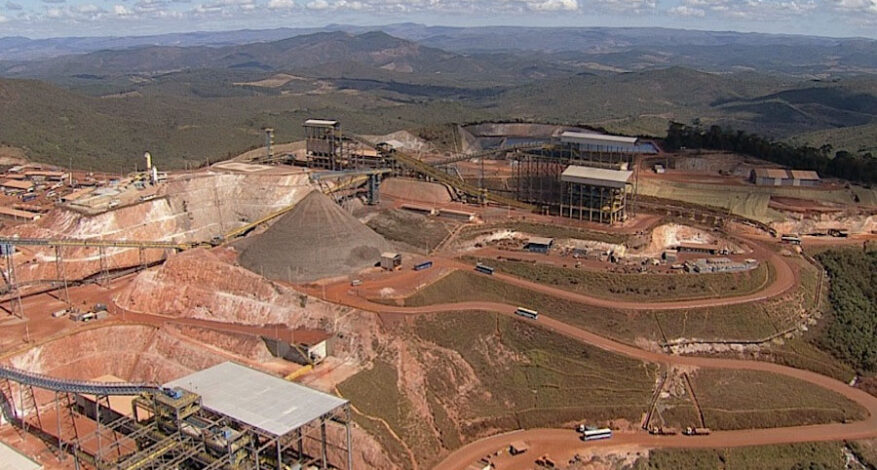
On 9 October 2025 the Initiative for Responsible Mining (IRMA) released the audit report of Gerdau’s Várzea do Lopes iron ore mine against the IRMA Standard for Responsible Mining. The Várzea do Lopes Mine is located in Brazil’s Minas Gerais state in the municipality of Itabirito. Independent audit firm SCS Global Services assessed the Várzea do Lopes Mine at IRMA Transparency when measuring its performance against the Standard’s best practice social and environmental criteria.

IRMA Transparency means that the operation has been independently audited against all relevant requirements in IRMA’s Standard and has publicly shared its audit scores and the basis for auditors’ findings. By sharing such extensive information, a mine provides diverse stakeholders with the information needed to understand the mine’s operations and encourage improvement as needed. The full audit report is available on the Várzea do Lopes Mine audit page on the IRMA website.

As the IRMA Standard is recognized and adopted around the globe, these audits are important steps in a deepening dialogue between mining companies and those affected by their operations. Because the IRMA process is always improving from the experience of the most recent audit, audit results should be reviewed and interpreted accordingly.

On July 17, 2025, Gerdau announced the signing of an agreement for the full transfer of mining rights related to the operation of the Várzea do Lopes Mine, located in Itabirito (MG). The new holder of these rights is Várzea do Lopes Mineração S.A., a company controlled by the same partners of Avante Participações e Negócios Ltda.

With this transaction, the new holder of the mining rights assumes full responsibility for the operation and production of iron ore at the Várzea do Lopes Mine.

This initiative is part of Gerdau’s process of reorganizing its mining assets, aiming to concentrate its own mining operations in the Miguel Burnier asset, located in Ouro Preto (MG).

Including the Várzea do Lopes Mine, 26 industrial-scale mines worldwide are within the IRMA independent assessment system. After an initial self-assessment, a participating mine engages a third-party audit firm — trained and approved by IRMA — to conduct a detailed independent evaluation, including on-site visits to the mine and nearby communities. Following the release of the initial audit, a surveillance audit checks on the mine’s performance. Three years after the initial audit, the operation is fully audited again.

The independent IRMA system is the only global mining standard that provides equal power to the public sector (communities and Indigenous rights holders, mine workers, and environmental and human rights advocates) alongside the private sector (mining companies, mined materials purchasers and investors).

For More Information:

READ MORE
Gerdau logoGerdau logoAudits

Mina de minério de ferro Complexo Várzea do Lopes da Gerdau completa auditoria da IRMA

Mina brasileira alcança IRMA Transparência após ser auditada de acordo com o único padrão de mineração do mundo com governança igualitária

9 de outubro de 2025 – A Iniciativa de Asseguração de Mineração Responsável (IRMA) publicou o relatório de auditoria do Complexo Várzea do Lopes, da Gerdau, com base no Padrão IRMA para Mineração Responsável. A Complexo Várzea do Lopes está localizada no estado brasileiro de Minas Gerais, no município de Itabirito. A empresa de auditoria independente SCS Global Services avaliou a Complexo Várzea do Lopes com o IRMA Transparência ao medir seu desempenho em relação aos critérios sociais e ambientais de melhores práticas da Padrão.

IRMA Transparência significa que a operação foi auditada de forma independente em relação a todos os requisitos relevantes do Padrão IRMA e que compartilhou publicamente suas pontuações de auditoria e a base para as conclusões dos auditores. Ao compartilhar essas informações abrangentes, uma mina fornece às diversas partes interessadas as informações necessárias para compreender as operações da mina e incentivar melhorias, conforme necessário. O relatório completo da auditoria está disponível na página de auditoria do Complexo Várzea do Lopes no site do IRMA.

Como o Padrão IRMA é reconhecido e adotado em todo o mundo, essas auditorias são etapas importantes em um diálogo mais profundo entre as empresas de mineração e as pessoas afetadas por suas operações. Como o processo IRMA está sempre melhorando com base na experiência da auditoria mais recente, os resultados da auditoria devem ser revisados e interpretados de acordo.

Em 17 de julho de 2025, a Gerdau anunciou a assinatura de um acordo para a transferência integral dos direitos minerários relacionados à operação da Mina Várzea do Lopes, localizada em Itabirito (MG). A nova detentora desses direitos é a Várzea do Lopes Mineração S.A., empresa controlada pelos mesmos sócios da Avante Participações e Negócios Ltda.

Com essa transação, o novo detentor dos direitos minerários assume total responsabilidade pela operação e produção de minério de ferro no Complexo Várzea do Lopes.

Esta iniciativa faz parte do processo de reorganização dos ativos de mineração da Gerdau, com o objetivo de concentrar suas operações de mineração no ativo Miguel Burnier, localizado em Ouro Preto (MG).

Incluindo a Complexo Várzea do Lopes, 26 minas de escala industrial em todo o mundo estão dentro do sistema de avaliação independente da IRMA. Após uma autoavaliação inicial, uma mina participante contrata uma empresa de auditoria externa – treinada e aprovada pela IRMA – para realizar uma avaliação independente detalhada, incluindo visitas in loco à mina e às comunidades próximas. Após a liberação da auditoria inicial, uma auditoria de controle verifica o desempenho da mina. Três anos após a auditoria inicial, a operação é submetida novamente a uma auditoria completa.

O sistema independente IRMA é o único padrão global de mineração que oferece poder igual ao setor público (comunidades e detentores de direitos indígenas, trabalhadores de minas e defensores dos direitos humanos e ambientais) e ao setor privado (empresas de mineração, compradores de materiais extraídos e investidores).

Para obter mais informações:

READ MORE
Sishen Mine. Credit: Anglo American KumbaSishen Mine. Credit: Anglo American KumbaAfrica

On-site Surveillance Audit at Sishen in October

From IRMA approved independent auditor ERM CVS. View/download the announcement as PDF in Afrikaans | English | Setswana

ERM CVS to Conduct On-site IRMA Surveillance Assessment of Anglo American/Kumba Iron Ore Sishen operations

ERM CVS Seeks Input from Local Community and Other Stakeholders

ERM CVS announces that on 22-24 October 2025 it will visit the Anglo American – Kumba Iron Ore – Sishen mining operations in South Africa’s Northern Cape province to conduct an independent, third-party Initiative for Responsible Mining Assurance (IRMA) surveillance assessment of the operation.

The initial audit report of Anglo American – Kumba Iron Ore – Sishen mine operations was released on 27 March 2024 with an achievement level of IRMA 75. The report is available on the IRMA website: https://responsiblemining.net/sishen

The onsite surveillance audit will verify that the site operations continue to align with the performance previously recognized in the initial audit report. The audit team will verify that the mine’s systems and controls are still in place and are functioning effectively, that no major changes have occurred that negatively affect the mine’s performance, and that the site is progressing on its corrective action plan. The audit will also include confidential interviews with workers and engagement with community stakeholders. Following the completion of the surveillance audit, a report will be published on the IRMA website.

The abbreviated surveillance audit summary report will provide Anglo American and stakeholders insight into continuity of operations, material changes, and evidence of continued improvement. A full reassessment audit will occur three years after the release of the initial audit report.

22-24 October 2025

Your comments will help ERM CVS assess the impact of Anglo American – Kumba Iron Ore – Sishen mine on local communities and measure its performance against best mining practices. ERM CVS invites you to sign-up for an interview with auditors during the surveillance audit, and/or submit written comments about Anglo American – Kumba Iron Ore – Sishen mine using the contact details below.

Interviews can be held in English, Setswana and Afrikaans. Interviews requested by 15 October 2025 can be conducted remotely or in-person. Interview requests after 15 October can be in-person if time permits, and remotely if it does not. Feedback and comments can be submitted anytime until 24 October 2025.

On the web

Email: post@ermcvs.com

Telephone: +27 10 596 3740

QR code to access online form:

ERM CVS contact QR code

For more information about

READ MORE
Leeufontein pit at Kolomela Iron Ore Mine. Credit: Anglo American KumbaLeeufontein pit at Kolomela Iron Ore Mine. Credit: Anglo American KumbaAfrica

On-site Surveillance Audit at Kolomela in October

From IRMA approved independent auditor ERM CVS. View/download the announcement as PDF in Afrikaans | English | Setswana

ERM CVS to Conduct On-site IRMA Surveillance Assessment of Anglo American/Kumba Iron Ore Kolomela operations

ERM CVS Seeks Input from Local Community and Other Stakeholders

ERM CVS announces that on 20-21 October 2025 it will visit the Anglo American – Kumba Iron Ore – Kolomela mining operations in South Africa’s Northern Cape province to conduct an independent, third-party Initiative for Responsible Mining Assurance (IRMA) surveillance assessment of the operation.

The initial audit report of Anglo American – Kumba Iron Ore – Kolomela mine operations was released on 27 March 2024 with an achievement level of IRMA 75. The report is available on the IRMA website: https://responsiblemining.net/kolomela.

The onsite surveillance audit will verify that the site operations continue to align with the performance previously recognized in the initial audit report. The audit team will verify that the mine’s systems and controls are still in place and are functioning effectively, that no major changes have occurred that negatively affect the mine’s performance, and that the site is progressing on its corrective action plan. The audit will also include confidential interviews with workers and engagement with community stakeholders. Following the completion of the surveillance audit, a report will be published on the IRMA website.

The abbreviated surveillance audit summary report will provide Anglo American and stakeholders insight into continuity of operations, material changes, and evidence of continued improvement. A full reassessment audit will occur three years after the release of the initial audit report.

20-21 October 2025

Your comments will help ERM CVS assess the impact of Anglo American – Kumba Iron Ore – Kolomela mine on local communities and measure its performance against best mining practices. ERM CVS invites you to sign-up for an interview with auditors during the surveillance audit, and/or submit written comments about Anglo American – Kumba Iron Ore – Kolomela mine using the contact details below.

Interviews can be held in English, Setswana and Afrikaans. Interviews requested by 13 October 2025 can be conducted remotely or in-person. Interview requests made after 13 October can be in-person if time permits, and remotely if it does not. Feedback and comments can be submitted anytime until 21 October 2025.

On the web

Email: post@ermcvs.com

Telephone: +27 10 596 3740

QR code to access online form:

ERM CVS contact QR code

For more information about

READ MORE