

IRMA and Harita Nickel are providing this joint update to keep stakeholders informed about the status of the ongoing IRMA audit at Harita Nickel’s operations on Obi Island.
IRMA welcomes Harita Nickel’s commitment to transparency in communicating while the assurance process is still underway.
Oct 2026 update
This update was authored by Harita Nickel.
Stakeholder Engagement
Harita Nickel continues to develop its stakeholder engagement as an adaptive, ongoing process that keeps pace with the growth and shifting character of its operations. Communities need clear information about those changes and a real opportunity to shape the response. Our January commitment was to provide that information and seek further consultation on emergency response, reclamation and closure, and resettlement and livelihoods.
We have been implementing this commitment, and as of this update, we have conducted 32 engagement activities. These engagement activities included activities such as:
- Coordination of meeting arrangements with village government and community representatives
- Focus group discussions
- Personal consultations
- Community forums, where company subject matter experts directly responded to community questions on various subjects
Engagement is tailored to different stakeholder groups. Women, youth, farmers, fishers, teachers, healthcare workers, MSMEs, customary and religious leaders, and land- and project-affected households each have dedicated forums to discuss issues relevant to their circumstances.
Personal consultations are used for sensitive or underrepresented perspectives that may not surface in larger forums. They are supported by separate meetings and trusted local facilitators.
The process is an iterative dialogue rather than a series of standalone meetings. For example, concerns raised in FGDs are taken to community forums for clarification.
Emergency Response, Community Health, Staff Capability, and Safety Culture
As site activity grows, so does the need for emergency preparedness that is planned with, not just for, workers and surrounding communities. Our January commitment was a large-scale emergency response planning project with a local university, backed by regular drills and stakeholder discussions.
Two projects support our emergency preparedness and occupational health work:
- Community Health Impact Assessment (CHIA): The CHIA examines how mining, processing and downstream nickel activities may affect community health and safety, across the construction, operation and closure phases. Its scope covers:
- Health outcomes, including infectious and non-communicable diseases, poisoning, injury, as well as mental and psychosocial health
- Determinants of health, such as air, water and soil quality, noise and dust, sanitation, access to health services, livelihoods, and social cohesion
- Cumulative impacts of the combined industrial activities and demographic change
- Impacts on the food chain, including drinking water and the availability of staple foods, protein fruit, and vegetables
The assessment follows the ICMM framework and will result in a Health Impact Management Plan with a monitoring and evaluation system.
- The site is transitioning into an industrial park, and its workforce is expanding with it; skills and safe working habits have to grow at the same pace as the operation. Our commitment is to keep developing staff skills and practices that support constructive and responsible ways of working, so that a positive and safe working culture is maintained through this period of growth.We are conducting an OHS system improvement review that includes a deeper look at our safety culture to develop a recommended roadmap for improvement. Separately, our train-the-trainer program is building human rights awareness among employees at all levels, through colleagues who train their peers.Relevant findings will help us decide where to focus next on training and workforce practices.
- Additionally, we have been strengthening community outreach on disaster risk management. This outreach helps communities understand disaster risks and the company’s role in improving community health and safety practices.
Preparedness is also being tested in practice. Forest and land fires are a national-level challenge in Indonesia, and we have also faced them near our operational site. As we continue to improve our emergency response governance since the audit, these arrangements are gradually being put to use in real situations.
28 Jul 2026 update
[This 28 Jul update was authored by Harita Nickel. Read it in Indonesian]
To further enhance transparency regarding Harita Nickel’s Corrective Action Period, we are providing the following updates on our progress and ongoing environmental and social commitments.
The environment: water management and monitoring
Harita Nickel’s approach to water and coastal management on Obi Island continues to develop as an adaptive, ongoing system, according to changing operational conditions caused by climate change, and the requirements of our operations. Our programmes and implementation are reviewed by our internal engineering team together with independent experts and adjusted as circumstances and monitoring indicate. This has included strengthening the breakwater and coastal protection structures in Kawasi, as recently reported, as well as the ongoing development of a raw-water conservation and clean water facility, in collaboration with the local government and the local community to support water access for the surrounding community.
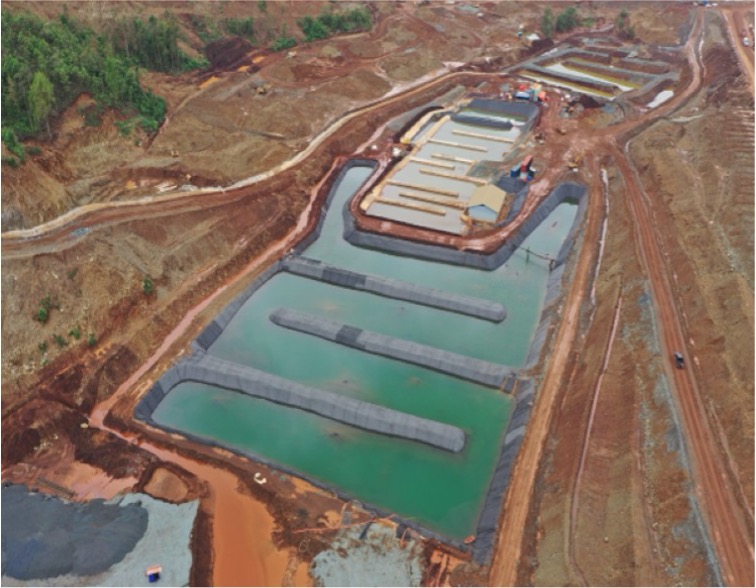
This same adaptive approach extends to waste and tailings management, where we published a detailed overview of our practices in April 2026 and continue to develop relevant technical and monitoring information as part of the ongoing assurance process. We recognize the importance of transparency as a listed company, alongside our responsibility to ensure environmental data is shared appropriately and in the right context, and would welcome further dialogue on what additional information would be most useful to stakeholders within that framework.
We have already committed significant resources to this programme over the years, on top of incorporating external expertise alongside our internal environmental team, and continue to evolve it as the infrastructure above develops. Our plans include gradual integration of collaborative monitoring with local communities. As part of this commitment, we will evaluate suitable mechanisms for involving independent experts requested by the community. This is a long-term effort that will continue beyond the current IRMA audit period.
Local communities and stakeholders
During the CAP period and beyond, we implement a structured engagement processes with rights holder and stakeholders. We remain open to input on how to strengthen that engagement. During and beyond the CAP process, communities, and other stakeholders may raise concerns at any time through our whistleblowing and public grievance channels, which allow anonymous or non-anonymous reporting, with each matter logged, reviewed, and tracked through to resolution.
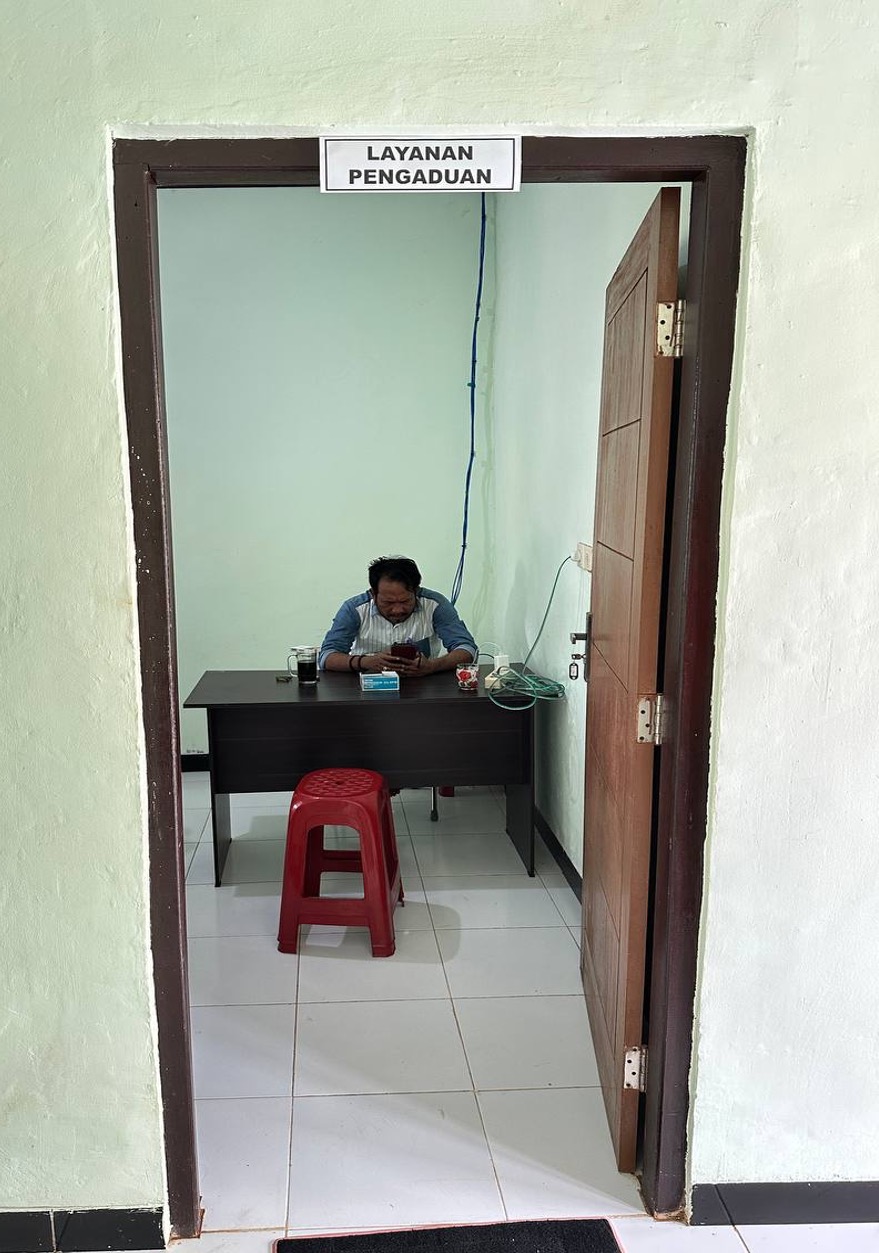
The Kawasi resettlement initiative is led by local government, with Harita Nickel in a supporting role. The local government has established a grievance desk (“layanan pengaduan”) in Kawasi that is accessible to all residents. Resettlement-related grievances can be submitted to this desk, and are followed up directly by the relevant government authorities. If requested by the government, the company is committed to supporting the resolution of such grievances.
Harita Nickel remains open to active and ongoing dialogue, constructive feedback and inquiries related to its operations and the IRMA audit process.
9 Jan 2026 update
The on-site audit of Harita Nickel’s operation on Indonesia’s Obi Island took place over nine (9) days in April 2025.
A supplementary review of documents was conducted by independent audit firm SCS Global Services between June and September 2025. This review was requested by the audit firm and approved by IRMA, due to the complexity of the operations.
Harita Nickel is the first IRMA audit in Indonesia, and the first IRMA audit of an integrated mining and processing site–covering mining, processing, smelting, and associated facilities in a rapidly expanding industrial operation, illustrating the breadth and complexity of assessing such sites within the IRMA system.
In October, the draft audit report was shared by the auditors with IRMA and Harita Nickel. Following review, Harita Nickel has opted to use the optional corrective action period.
As a standard part of the IRMA assurance process, an optional corrective action period (up to 12 months) provides mine sites with the opportunity to drive change by implementing corrective actions, before public release of its audit results. Auditors then verify the implemented corrective actions before the final audit report is published. The majority of sites in the IRMA system have elected to undergo corrective actions prior to publishing their final audit report. This reflects IRMA’s focus on continuous improvement, that assurance reports are not pass or fail grades, but detailed baselines that sites can use to strengthen performance over time.
Areas of focus during Harita Nickel’s optional corrective action period include:
- Strengthened engagement and collaboration across relevant stakeholder groups and partners, including a focus on providing additional information to stakeholders regarding the dynamically changing characteristics of the site’s expanding operations, seeking further consultation on key areas such as:
- emergency response plan updates,
- reclamation and closure planning, and,
- in coordination with the local government, on the ongoing resettlement and livelihood safeguarding process.
- Continued development of staff skills and practices that support constructive and responsible ways of working, to ensure safe operational practices amid the site’s transition to an industrial park, focuses on maintaining a positive and safe working culture during a period of workforce expansion.
- Ongoing refinement of environmental and social impact assessment approaches to better reflect the evolving nature of the broader operational environment. This comprises formal expectations of performance according to the IRMA standard and continual monitoring of impact areas included in IRMA chapters marked as relevant for the audit.
As of January 2026, specific projects include:
- Implementation of a large-scale emergency response planning project in collaboration with a local university. As part of this project, the company has already conducted emergency drills with workers and local communities. Feedback from drill participants is being implemented to make further improvements, and drills and stakeholder discussions will be conducted periodically.
- Implementation of a regular update of the site’s Human Rights Due Diligence plan in collaboration with a local NGO. This project includes alignment with IRMA-specific consultation and documentation procedures, and will ensure potentially required mitigation, and remediation efforts are conducted in coordination with affected stakeholders.
Of note: Preliminary audit findings show solid performance in certain areas and the site will work to maintain this level of performance over time:
- Chapter 1.4 Complaints and Grievance Mechanism and Access to Remedy, demonstrating that the company implements:
- suitable, accessible channels for communities, workers and other stakeholder to raise grievances anonymously or non-anonymously,
- thorough documentation of complaints, associated remedies and grievance status.
- Chapter 1.5 Revenue and Payments Transparency, including implementation of:
- policies and procedures that prohibit bribery and other forms of corruption, and
- training procedures for employees and contractors in the application of these policies and procedures.
- Chapter 4.5 Greenhouse Gas Emissions, including:
- emissions quantification according to widely accepted reporting standards,
- meaningful emissions reduction targets,
- a plan detailing actions to achieve these targets, including identification of emissions reduction opportunities, and
- implementation of emissions reduction and avoidance measures.
Harita Nickel will provide periodic updates and further information as additional corrective actions are confirmed and implemented. The company is open to constructive feedback and inquiries related to its operations and the IRMA audit process.
Related Information
- To stay up to date on the IRMA independent assessment of the Harita Nickel operations by SCS Global Services, visit the Harita Nickel IRMA audit page.